









DDR5 SODIMM (Small Outline Dual In-Line Memory Module) is designed to provide higher performance, improved power efficiency, and reliable operation for compact computing platforms. As embedded systems continue to evolve toward higher processing demands, traditional memory solutions may struggle to support applications involving real-time data analysis, industrial automation, artificial intelligence, and edge computing. DDR5 SODIMM memory addresses these challenges by offering higher bandwidth, optimized power management, and advanced memory architecture within a compact module design.
For embedded system manufacturers, choosing the right memory module is a critical decision that directly affects system responsiveness, processing efficiency, and long-term reliability. Compared with previous-generation memory technologies, DDR5 SODIMM provides improved data transfer capability and better energy efficiency, making it suitable for space-limited applications that require stable performance. From industrial computers to intelligent devices, DDR5 SODIMM helps create embedded systems with stronger computing capability and more reliable operation.
How DDR5 SODIMM Increases Embedded System Processing Performance Through Higher Bandwidth

DDR5 SODIMM improves embedded system performance primarily by increasing memory bandwidth, allowing processors to access and transfer data more efficiently. Modern embedded systems often perform complex tasks such as image processing, machine learning inference, industrial control, and real-time monitoring, which require fast communication between the processor and memory. Insufficient memory bandwidth can create performance bottlenecks and reduce overall system responsiveness.
Compared with previous ذاكرة DDR3 and ذاكرة DDR4 generations, DDR5 SODIMM supports significantly higher data transfer rates, enabling embedded platforms to handle larger amounts of data within shorter processing cycles. Higher bandwidth allows multiple computing tasks to run more efficiently, especially in applications that require continuous data movement between memory and processors. For embedded system designers, DDR5 SODIMM provides a practical solution to improve computing efficiency without increasing system size.
DDR5 SODIMM Increases Data Transfer Efficiency Between Memory and Processors
DDR5 SODIMM improves embedded system processing performance by optimizing the communication efficiency between the memory module and the processor. In embedded computing platforms, the processor frequently needs to retrieve and store large volumes of temporary data during operation. When memory bandwidth is insufficient, the processor may spend more time waiting for data access, which can limit the overall performance of the system.
By providing higher data transfer capability, DDR5 SODIMM enables faster movement of information between memory and processing units. This advantage is particularly important for embedded applications that involve continuous data exchange, such as industrial automation control, computer vision systems, and edge computing devices. The improved communication efficiency helps reduce memory-related delays and allows processors to operate closer to their full performance potential.
DDR5 SODIMM Supports Higher Performance for Data-Intensive Embedded Applications
DDR5 SODIMM is designed to support embedded systems that require efficient handling of large and complex datasets. Applications such as artificial intelligence processing, machine vision, digital signal analysis, and industrial monitoring often generate significant amounts of data that must be processed quickly. In these scenarios, memory bandwidth directly affects how effectively the system can handle real-time workloads.
With increased bandwidth compared with previous DDR memory solutions, DDR5 SODIMM allows embedded platforms to process more data within the same period of time. This capability helps improve system responsiveness when multiple operations are running simultaneously. For manufacturers developing advanced embedded systems, selecting DDR5 SODIMM memory modules can provide the necessary memory performance to support demanding computing tasks while maintaining a compact hardware design.
DDR5 SODIMM Reduces Memory Bottlenecks in Multi-Tasking Embedded Systems
Modern embedded systems increasingly perform multiple computing operations at the same time, requiring memory modules to provide stable and efficient data access. Traditional memory solutions with limited bandwidth may become a bottleneck when processors handle several tasks simultaneously, reducing system efficiency and affecting user experience or equipment response time.
DDR5 SODIMM helps reduce these limitations by providing improved bandwidth and more efficient memory architecture. Higher memory throughput allows different system processes to access required data more smoothly, supporting more efficient multitasking performance. This is especially valuable for embedded platforms used in industrial computers, edge devices, and intelligent equipment where consistent processing capability is essential for reliable operation.
DDR5 SODIMM Enhances Real-Time Processing Capability in Embedded Systems
Real-time processing is a critical requirement for many embedded applications, including industrial control systems, monitoring equipment, and intelligent devices. These systems must collect, analyze, and respond to data within a limited time frame. Memory performance plays an important role in determining whether the system can complete these operations efficiently.
DDR5 SODIMM improves real-time processing capability by providing faster access to frequently used data and increasing the speed of data transmission between memory and processors. This helps embedded systems respond more quickly to changing conditions and process information with lower latency. For applications requiring continuous data analysis and immediate system responses, DDR5 SODIMM provides a reliable memory solution that supports stable real-time performance.
Higher DDR5 SODIMM Bandwidth Improves AI and Edge Computing Workloads
AI-based embedded systems and edge computing platforms require high-speed memory access because they often process large datasets locally instead of relying entirely on remote servers. Tasks such as image recognition, sensor data analysis, and intelligent decision-making require processors to continuously exchange data with memory during operation.
DDR5 SODIMM provides the bandwidth required for these intensive workloads by improving data flow efficiency between memory and processing components. Faster memory communication helps reduce delays during AI model execution and edge data processing, allowing embedded devices to deliver faster and more reliable results. This makes DDR5 SODIMM suitable for next-generation embedded systems that require stronger local computing capabilities.
How DDR5 SODIMM Improves Embedded System Efficiency Through Advanced Power Management

Power consumption is a major consideration when designing embedded systems because many devices operate continuously in environments with limited thermal capacity and strict energy requirements. DDR5 SODIMM improves power efficiency through lower operating voltage and advanced power management features, helping embedded platforms maintain high performance while reducing energy consumption.
Compared with earlier DDR4 Memory solutions, DDR5 SODIMM introduces more optimized power control mechanisms that improve energy utilization during memory operations. This advantage is especially valuable for industrial computers, edge computing devices, and compact embedded systems where heat dissipation and power efficiency directly affect system reliability. By balancing processing capability and energy consumption, DDR5 SODIMM helps manufacturers develop more efficient embedded solutions.
DDR5 SODIMM Reduces Power Consumption Through Lower Operating Voltage
DDR5 SODIMM improves embedded system energy efficiency by operating at a lower voltage compared with previous DDR memory technologies. Lower operating voltage reduces the electrical power required during memory access and data transfer operations, helping embedded systems achieve better energy utilization without sacrificing memory performance. This characteristic is especially important for compact devices where power availability and thermal management are limited.
In embedded applications, memory modules often operate continuously as part of the system’s core computing architecture. Reducing memory power consumption can contribute to lower overall system energy requirements and reduce heat generation during long-term operation. By adopting DDR5 SODIMM memory modules, manufacturers can design embedded systems that provide improved performance efficiency while maintaining suitable operating temperatures in space-constrained environments.
DDR5 SODIMM Improves Thermal Management in Compact Embedded Systems
Thermal management is a key challenge for embedded systems because many devices are installed in compact enclosures with limited cooling solutions. Excessive heat generated by high-power components can affect system stability, reduce component lifespan, and limit overall performance. DDR5 SODIMM supports more efficient power usage, helping reduce the thermal pressure created by memory operations.
For embedded platforms such as industrial computers, portable devices, and edge computing equipment, improved thermal efficiency allows manufacturers to create more reliable system designs. Lower heat generation provides greater flexibility in hardware integration and helps maintain stable operation under continuous workloads. DDR5 SODIMM therefore contributes not only to memory performance improvement but also to better overall system thermal control.
DDR5 SODIMM Enables More Efficient Power Allocation During Memory Operations
DDR5 SODIMM improves embedded system efficiency by introducing enhanced power management mechanisms that optimize how energy is distributed during memory activities. Modern embedded systems frequently experience changing workloads, where memory requirements may increase or decrease depending on application demands. Efficient power control helps ensure that energy is used more effectively during different operating conditions.
Unlike traditional memory solutions that may consume relatively constant power regardless of workload changes, DDR5 SODIMM incorporates improved power management capabilities to support more intelligent energy usage. This allows embedded systems to maintain high performance when processing demanding tasks while avoiding unnecessary power consumption during lighter workloads. Such efficiency is valuable for devices that require both strong computing capability and long-term energy optimization.
DDR5 SODIMM Supports Energy-Efficient Embedded Systems for Long-Term Operation
Many embedded systems are designed to operate continuously for extended periods, making energy efficiency an important factor in product reliability and maintenance costs. Devices used in industrial automation, monitoring systems, and intelligent equipment may run for months or years without interruption, requiring memory solutions that can maintain stable performance while controlling power consumption.
DDR5 SODIMM helps support long-term embedded operation by combining high-speed memory performance with improved energy efficiency. Lower power requirements can reduce system heat accumulation and contribute to more stable hardware operation over time. For manufacturers developing reliable embedded platforms, DDR5 SODIMM provides a memory solution that helps achieve a balance between computing performance, power efficiency, and operational durability.
DDR5 SODIMM Power Efficiency Helps Optimize Edge Computing Device Design
Edge computing devices often require powerful local processing capabilities while operating under strict power limitations. Unlike traditional computing platforms, edge devices are frequently deployed in remote locations or compact environments where energy efficiency and thermal control are critical design considerations.
DDR5 SODIMM supports edge computing applications by providing efficient memory performance with optimized power consumption. The reduced energy requirements of DDR5 SODIMM allow system designers to allocate more power resources to processors, sensors, or other computing components. This helps improve the overall efficiency of edge devices while maintaining the memory performance required for real-time data processing.
DDR5 SODIMM Helps Industrial Computers Maintain Performance Under Thermal Constraints
Industrial computers often operate in challenging environments where temperature control and system stability are essential. Continuous operation, limited airflow, and enclosed installation spaces can increase thermal challenges for embedded hardware. Memory efficiency therefore becomes an important factor when designing industrial computing solutions.
By reducing power consumption and heat generation, DDR5 SODIMM helps industrial computers maintain stable performance under thermal constraints. This advantage allows manufacturers to develop compact systems that can operate reliably in demanding industrial environments. Combined with appropriate hardware design and thermal management strategies, DDR5 SODIMM contributes to longer system service life and improved operational consistency.
How DDR5 SODIMM Enhances Embedded System Reliability During Long-Term Operation
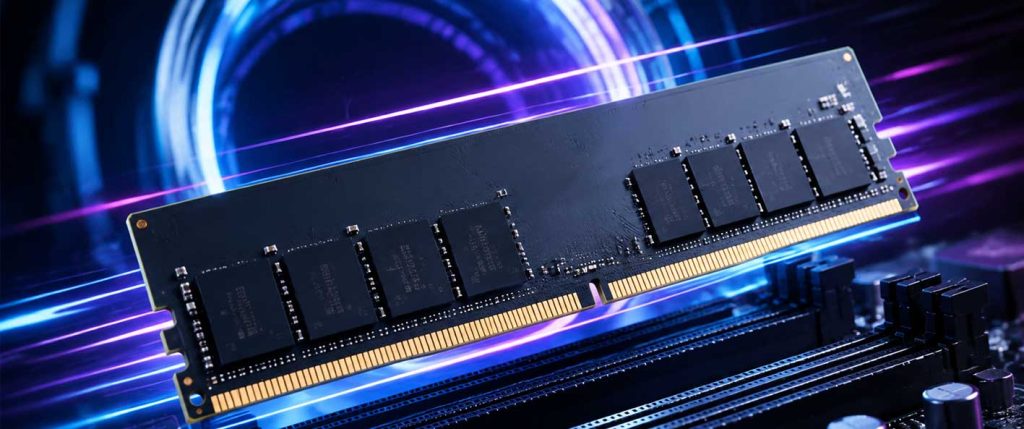
Embedded systems used in industrial environments often require continuous operation for extended periods, making memory reliability an essential factor during system design. DDR5 SODIMM memory provides improved architecture and enhanced data management capabilities that help maintain stable performance under demanding workloads. Reliable memory performance reduces the risk of system interruptions and supports consistent operation in critical applications.
Applications such as industrial automation equipment, medical devices, transportation systems, and edge computing platforms frequently process data continuously throughout their service life. In these environments, memory modules must provide stable performance under repeated operations and changing workloads. By selecting high-quality DDR5 SODIMM memory modules, manufacturers can improve system durability and ensure that embedded systems maintain dependable performance over long operating cycles.
DDR5 SODIMM Improves Data Stability Through Advanced Memory Architecture
The reliability of embedded systems depends heavily on the ability of memory modules to maintain accurate and stable data processing during long-term operation. DDR5 SODIMM improves system reliability through an advanced memory architecture that enables more efficient data handling and communication between memory components and processors. This optimized structure helps embedded systems maintain consistent performance when operating under continuous workloads.
In industrial applications, unexpected memory instability can affect system availability and may interrupt critical operations. DDR5 SODIMM provides a reliable memory foundation by supporting efficient data transfer and stable memory access during demanding computing tasks. For embedded system manufacturers, selecting DDR5 SODIMM memory modules helps improve overall system dependability and supports reliable operation throughout the product lifecycle.
DDR5 SODIMM Supports Reliable Performance Under Continuous Workloads
Many embedded systems are designed for 24/7 operation, requiring memory modules to maintain stable performance under continuous data processing conditions. Industrial controllers, monitoring equipment, and intelligent devices may perform repeated read and write operations over extended periods, placing consistent demands on memory performance.
DDR5 SODIMM helps embedded systems handle these workloads by providing stable memory performance and efficient data management capabilities. Compared with memory solutions designed for general computing environments, embedded memory modules need to consider long-term operational stability and application-specific requirements. By integrating DDR5 SODIMM into embedded platforms, manufacturers can improve system consistency and reduce performance fluctuations during extended operation.
DDR5 SODIMM Helps Embedded Systems Maintain Performance in Harsh Operating Environments
Embedded systems are often deployed in environments where operating conditions are more challenging than traditional computing platforms. Industrial equipment, transportation systems, and outdoor monitoring devices may experience temperature variations, limited installation space, and continuous operational demands. These conditions require memory solutions that can maintain reliable performance over time.
DDR5 SODIMM supports embedded system reliability by providing efficient memory operation within compact hardware designs. When combined with appropriate system design, thermal management, and hardware protection technologies, DDR5 SODIMM helps manufacturers develop embedded platforms capable of stable operation in demanding environments. This makes DDR5 SODIMM a suitable memory choice for applications where reliability is a higher priority than short-term performance alone.
How DDR5 SODIMM Supports Compact Embedded Systems With Space-Efficient Memory Design
One of the main advantages of DDR5 SODIMM is its compact physical design, which makes it suitable for embedded systems where installation space is limited. Unlike standard DDR5 UDIMM modules commonly used in desktop and larger computing platforms, SODIMM modules provide a smaller form factor while maintaining advanced DDR5 performance characteristics.
Space limitations are common challenges in embedded system design, especially for industrial computers, portable devices, and intelligent equipment. DDR5 SODIMM allows manufacturers to integrate higher-performance memory into smaller system architectures without sacrificing processing capability. This combination of compact size and high performance makes DDR5 SODIMM an ideal memory solution for next-generation embedded applications that require efficient hardware integration.
DDR5 SODIMM Enables High-Performance Memory Integration in Limited Space
Embedded system designers often face the challenge of achieving higher computing performance while maintaining a compact hardware structure. Traditional memory modules with larger dimensions may not be suitable for embedded platforms where every component must be carefully arranged within a restricted physical space. DDR5 SODIMM addresses this challenge by providing a smaller memory form factor that can be integrated into compact computing systems.
The reduced size of DDR5 SODIMM allows manufacturers to design embedded devices with optimized internal layouts while still benefiting from the performance advantages of DDR5 technology. This is particularly valuable for industrial computers, edge computing devices, and intelligent equipment that require powerful processing capability but cannot accommodate large memory modules. By combining compact design with advanced memory performance, DDR5 SODIMM helps create more flexible and efficient embedded hardware architectures.
DDR5 SODIMM Supports Compact Industrial Computers Without Reducing Memory Capability
Industrial computers require a balance between physical size and computing performance because many systems must be installed in restricted environments such as factory equipment, control cabinets, and specialized machinery. A smaller system footprint can simplify installation while improving deployment flexibility.
DDR5 SODIMM enables industrial computers to maintain advanced memory performance within compact system designs. Its small form factor allows manufacturers to develop space-efficient computing solutions without relying on larger memory modules. By supporting high-performance memory integration in smaller enclosures, DDR5 SODIMM helps industrial computer manufacturers create reliable systems that meet both size and performance requirements.
DDR5 SODIMM Provides Flexible Hardware Design Options for Embedded Platforms
The compact structure of DDR5 SODIMM gives system manufacturers greater flexibility when designing embedded platforms. In applications where space, thermal conditions, and component placement are critical factors, smaller memory modules allow engineers to optimize motherboard layouts and improve overall system integration.
Compared with larger memory form factors, DDR5 SODIMM provides advantages for embedded applications that require customized hardware designs. Manufacturers can utilize the available space more efficiently while integrating processors, storage devices, expansion interfaces, and other essential components. This flexibility makes DDR5 SODIMM suitable for a wide range of embedded solutions, including industrial control systems, automation equipment, and compact computing platforms.
DDR5 SODIMM Improves Embedded Device Scalability Through Modular Memory Design
Modular memory design is an important consideration for embedded systems because manufacturers may need to support different performance levels and storage requirements across product models. DDR5 SODIMM provides a replaceable and scalable memory solution, allowing system designers to adjust memory capacity according to specific application needs.
This modular approach simplifies hardware development and enables manufacturers to create multiple embedded system configurations using the same platform design. Whether used in industrial computers, edge devices, or intelligent terminals, DDR5 SODIMM allows developers to balance system size, memory capacity, and processing requirements more efficiently.
DDR5 SODIMM Helps Portable and Embedded Devices Achieve Efficient Space Utilization
Portable and compact embedded devices often require careful optimization of every internal component because limited space directly affects product design and functionality. Memory modules must provide sufficient performance while occupying minimal physical area to allow room for processors, storage, communication components, and thermal solutions.
DDR5 SODIMM supports efficient space utilization by delivering advanced memory capabilities in a compact package. This allows manufacturers to develop smaller embedded devices while maintaining the computing performance required for modern applications. For portable industrial equipment, edge computing terminals, and intelligent devices, DDR5 SODIMM provides a practical solution for achieving a balance between compact design and system performance.
How DDR5 SODIMM Improves Embedded Computing for Edge Computing and Industrial Applications
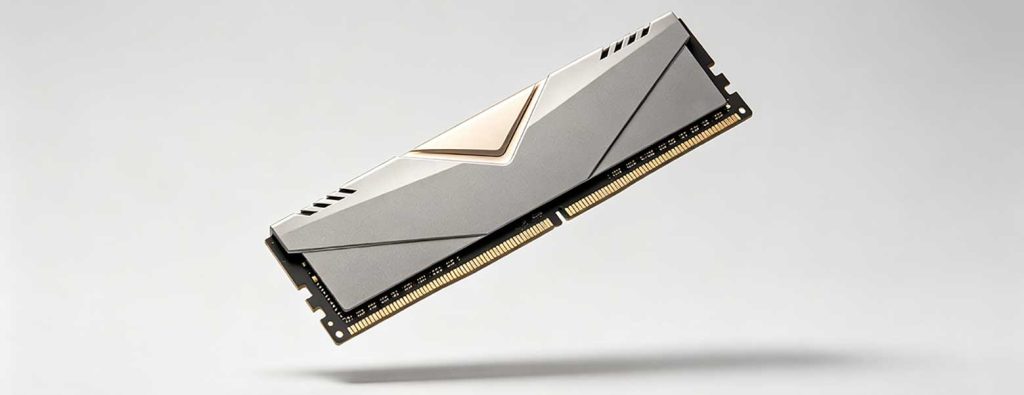
The increasing adoption of edge computing has created higher requirements for embedded system memory performance. Unlike traditional systems that rely heavily on cloud processing, edge computing devices analyze and process data closer to the source. This requires memory modules that can support fast data access, stable operation, and efficient workload handling.
DDR5 SODIMM provides the performance characteristics needed for advanced embedded applications, including industrial automation, smart manufacturing, AI-based monitoring, and intelligent control systems. With higher bandwidth and improved power efficiency, DDR5 SODIMM helps edge devices process larger datasets while maintaining responsive system performance. For manufacturers developing industrial computers and embedded platforms, DDR5 SODIMM provides a scalable memory solution for future computing requirements.
DDR5 SODIMM Supports Real-Time Data Processing in Edge Computing Systems
Edge computing systems require fast and reliable data processing because many applications depend on immediate responses from locally collected information. Devices such as industrial gateways, smart cameras, and automated inspection systems continuously receive data from sensors and connected equipment. If the memory subsystem cannot provide sufficient data handling capability, processors may experience delays when accessing application data, which can affect overall system responsiveness and operational efficiency.
DDR5 SODIMM helps improve embedded computing performance by providing advanced memory technology that supports efficient communication between processors and memory modules. Higher memory bandwidth enables edge devices to process larger datasets more effectively, which is particularly important for applications involving image analysis, real-time monitoring, and industrial data processing. By integrating DDR5 SODIMM memory modules into embedded platforms, manufacturers can develop systems that maintain responsive performance while handling increasingly demanding edge computing workloads.
DDR5 SODIMM Helps AI-Enabled Embedded Devices Handle Increasing Data Requirements
AI-enabled embedded devices are becoming increasingly common in industrial environments, where local data analysis is required for applications such as visual inspection, predictive maintenance, and intelligent decision-making. Unlike traditional computing tasks, AI workloads often involve continuous processing of large datasets, including image information, sensor data, and machine learning models. These operations place higher demands on memory capacity, data access efficiency, and system responsiveness.
DDR5 SODIMM provides embedded AI systems with a memory foundation that supports more efficient data movement between processors and memory components. Although memory alone does not determine AI computing performance, an optimized memory subsystem can reduce potential data access limitations and help processors operate more effectively during complex workloads. For manufacturers developing AI-based industrial equipment and edge computing devices, DDR5 SODIMM offers a practical memory solution that supports reliable and efficient local processing requirements.
DDR5 SODIMM Enhances Industrial Automation Systems Through Efficient Memory Performance
Industrial automation systems depend on embedded computers to execute control algorithms, collect production data, and communicate with various industrial devices. These systems often operate continuously in manufacturing environments where stable computing performance is essential. As factories become more intelligent, automation platforms must process larger amounts of information from sensors, machines, and connected equipment, increasing the demand for efficient memory solutions.
DDR5 SODIMM helps industrial automation platforms manage these complex workloads by providing advanced memory performance within embedded system architectures. Efficient memory operation allows processors to access application data more effectively, supporting smoother execution of automation software and industrial applications. For industrial computer manufacturers, DDR5 SODIMM provides a reliable memory option for developing compact automation systems that require consistent performance, efficient data processing, and long-term operational capability.
DDR5 SODIMM Provides a Future-Ready Memory Solution for Next-Generation Embedded Platforms
The future development of embedded systems will continue to increase demand for higher computing efficiency, stronger connectivity, and improved local data processing capabilities. Emerging technologies such as edge AI, industrial IoT, autonomous equipment, and intelligent monitoring systems require embedded platforms that can process complex workloads closer to the source. This trend places greater importance on selecting memory solutions that can support current applications while providing sufficient scalability for future requirements.
DDR5 SODIMM provides a future-ready memory solution by combining the advantages of DDR5 performance improvements with the flexibility required by embedded system designs. Its compatibility with compact computing platforms makes it suitable for industrial computers, edge devices, and specialized embedded applications. By adopting DDR5 SODIMM technology, manufacturers can create more adaptable embedded systems that are prepared for increasing data processing demands and the continued evolution of industrial computing environments.
How Indilinx DDR5 SODIMM Memory Supports High-Performance Embedded Systems
Indilinx provides DDR5 Memory solutions designed to meet the requirements of modern computing applications, including DDR5 SODIMM modules for compact embedded platforms. With advantages such as high-speed data transfer, efficient power management, and advanced DDR5 architecture, Indilinx DDR5 SODIMM products help manufacturers develop reliable and high-performance embedded systems.
For applications including industrial computers, edge computing devices, and intelligent equipment, selecting the right memory supplier is essential for achieving stable system performance. Indilinx combines memory technology expertise with professional manufacturing capabilities to provide DDR5 SODIMM solutions that support demanding embedded applications. By integrating reliable memory modules into system designs, customers can achieve improved performance, better efficiency, and long-term operational stability.
Indilinx DDR5 SODIMM Provides Reliable Memory Solutions for Embedded System Integration
Indilinx DDR5 SODIMM memory modules are designed to meet the increasing performance requirements of modern embedded systems that demand compact size, efficient operation, and stable data processing capability. As embedded devices become more intelligent, applications such as industrial computers, edge computing platforms, automation equipment, and smart devices require memory solutions that can support higher processing workloads while maintaining long-term reliability. DDR5 SODIMM provides a compact memory architecture that enables system designers to integrate advanced DDR5 technology into space-constrained embedded platforms.
Compared with traditional memory solutions, Indilinx DDR5 SODIMM modules combine the advantages of DDR5 architecture with the flexibility of small form factor design. The modules support higher data transfer rates and improved memory efficiency, helping embedded systems process larger amounts of data more effectively. For manufacturers developing next-generation embedded products, selecting a suitable DDR5 SODIMM supplier is essential to achieving stable system performance, hardware compatibility, and consistent operation throughout the product lifecycle.
Indilinx DDR5 SODIMM Supports Customized Requirements for Industrial Computing Applications
Embedded system manufacturers often face different requirements depending on application scenarios, including operating environment, performance targets, system size limitations, and expected service life. Indilinx DDR5 SODIMM memory solutions provide manufacturers with a flexible option for developing customized embedded computing systems. By selecting appropriate memory specifications, capacity configurations, and module designs, customers can optimize system performance according to specific application needs.
For industrial computing applications, memory modules must not only provide high-speed data access but also maintain stable operation under continuous workloads. Indilinx combines memory technology expertise with manufacturing capabilities to provide DDR5 SODIMM solutions suitable for industrial computers, edge devices, and intelligent equipment. This allows system integrators to build embedded platforms with improved processing efficiency, reliable memory performance, and better adaptability for different industrial environments.