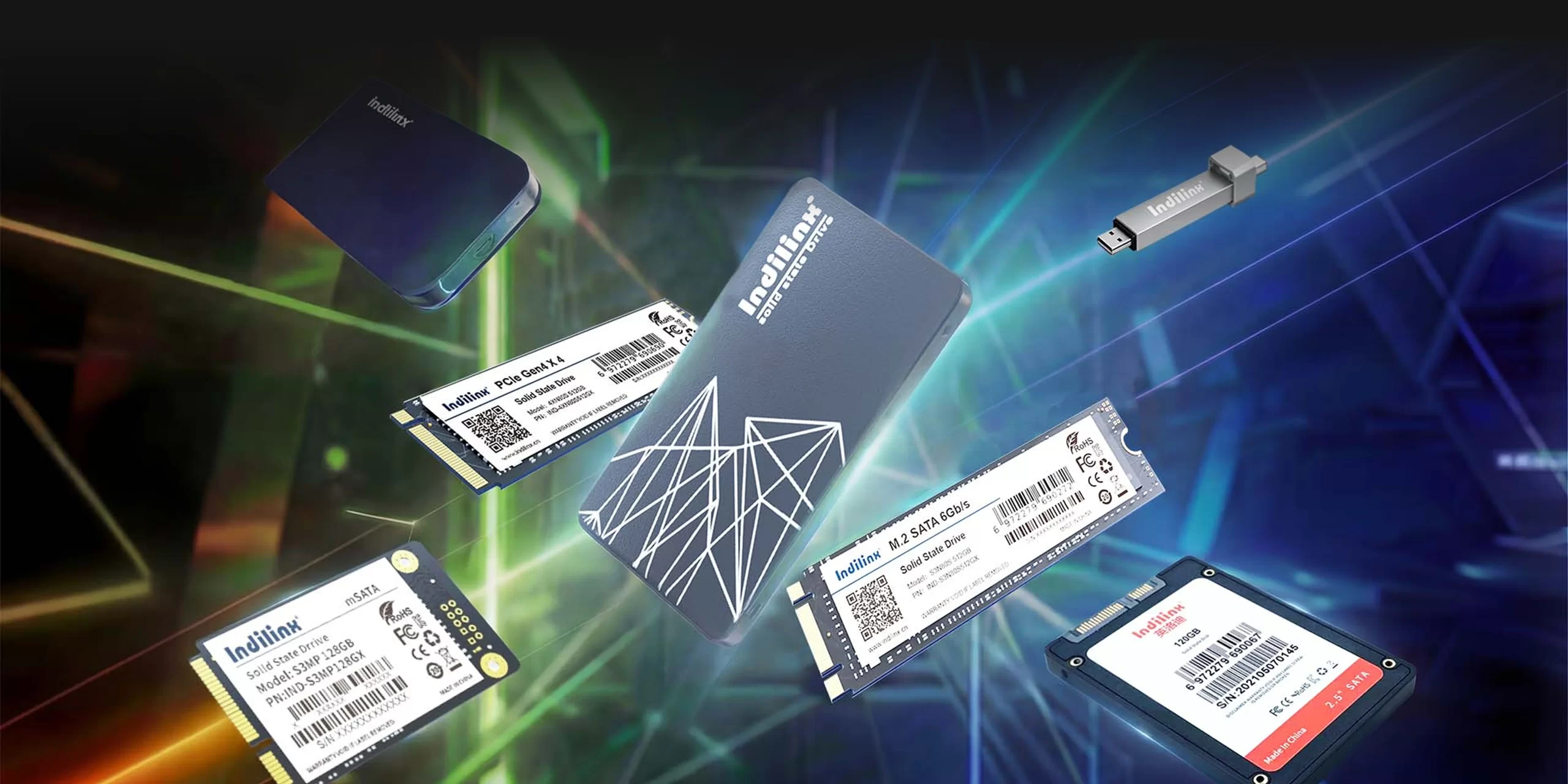
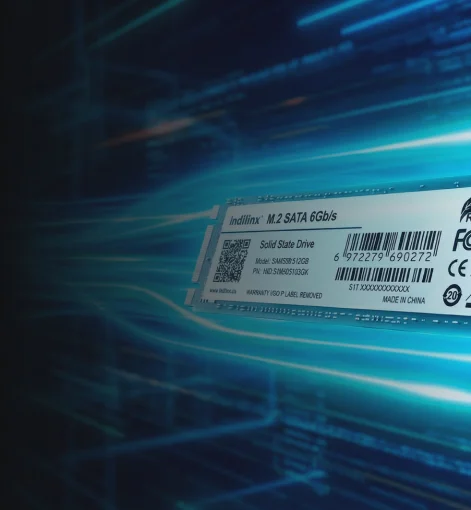
Solid State Storage(SSD) Series
The SATA 3 2.5-inch SSD is designed to offer significant improvements over traditional hard disk drives (HDDs) by providing faster data transfer speeds, increased durability, and lower power consumption. It uses the SATA III interface, which supports a maximum data transfer rate of up to 6Gbps. With a 2.5-inch form factor, it is compatible with most devices that support this standard size, making it an excellent choice for upgrading laptops and desktops
High-Speed Performance: SATA III SSDs offer read speeds up to 550 MB/s and write speeds up to 500 MB/s, enhancing boot times, file transfers, and application load speeds.
Enhanced Data Integrity:
Advanced error correction and wear-leveling technologies in SATA 3 SSDs ensure data integrity, reducing the risk of data loss over time.
Solid State Storage(SSD)
2.5-inch SATA SSD S325S
Engineered for stable high-speed performance and dependable data integrity.
2.5-inch SATA SSD-S325X
Engineered for stable high-speed performance and dependable data integrity.
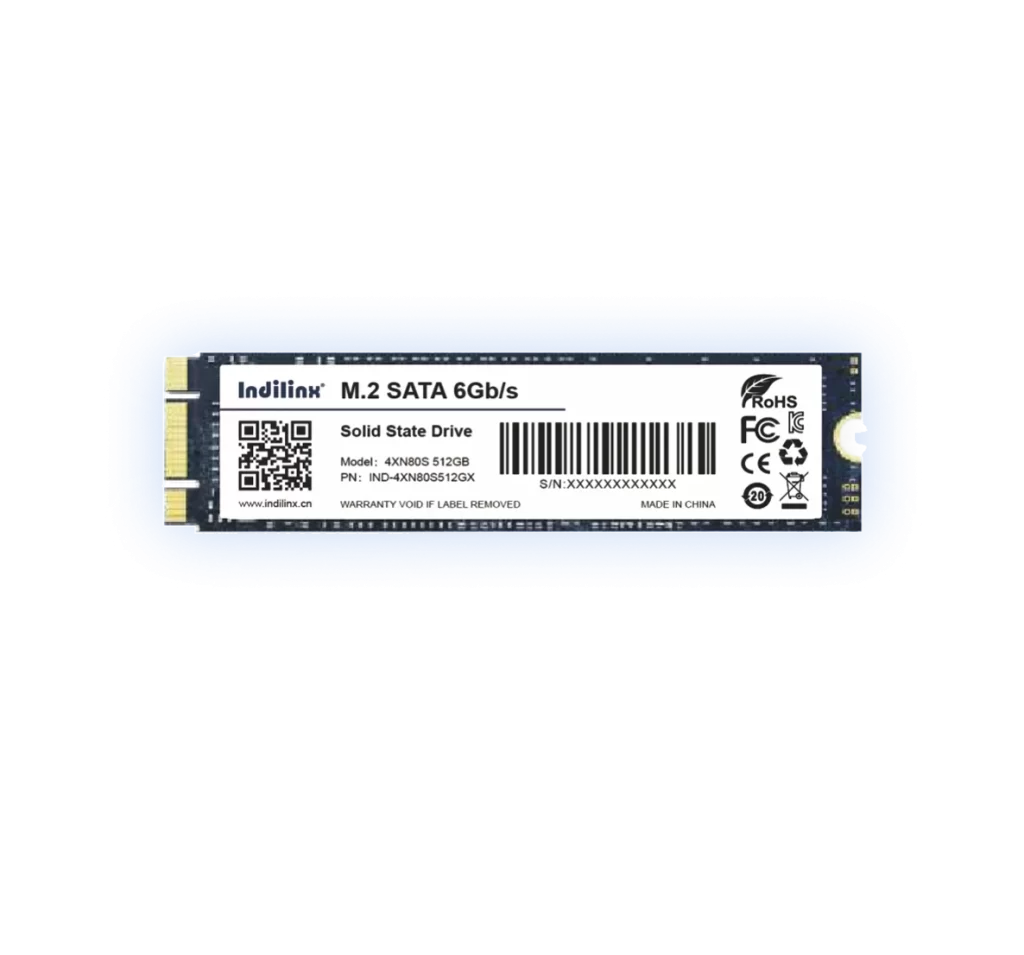
M.2 SSD
Engineered for stable high-speed performance and dependable data integrity.
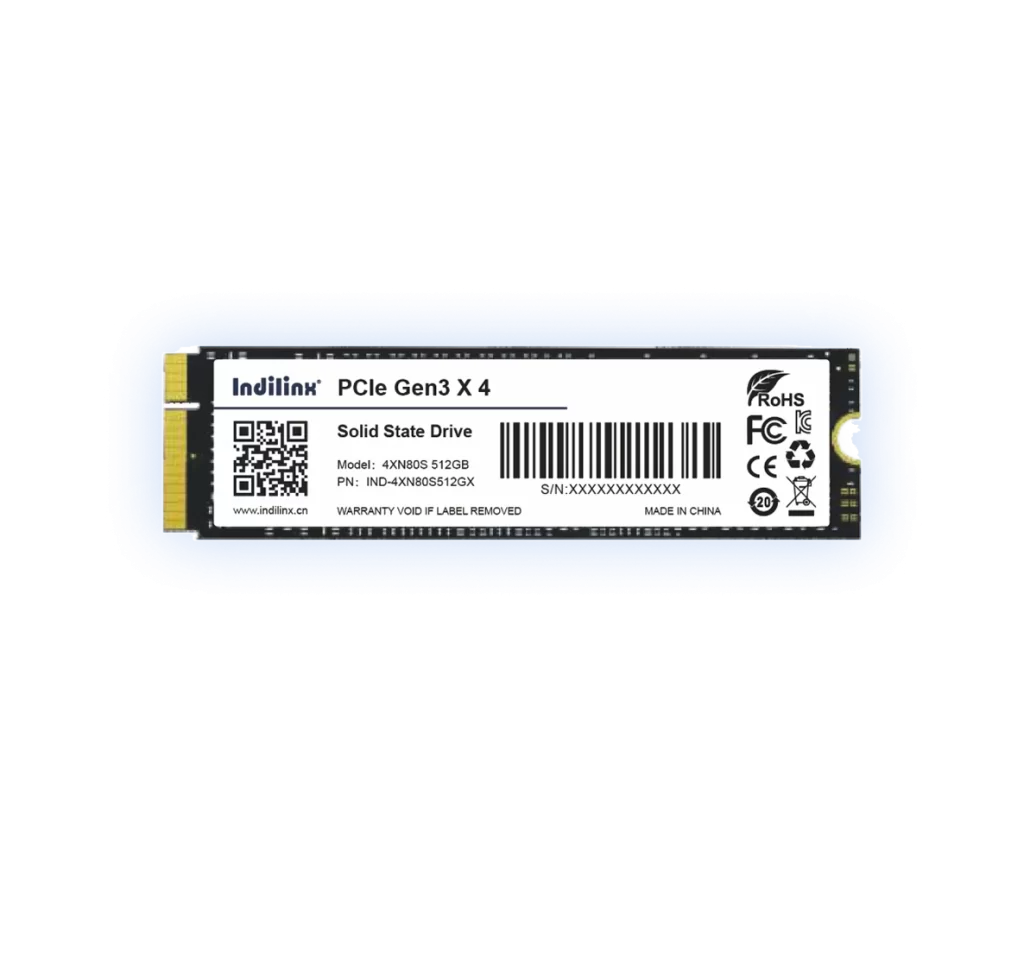
PCIe NVMe SSD-4XN80S
Engineered for stable high-speed performance and dependable data integrity.
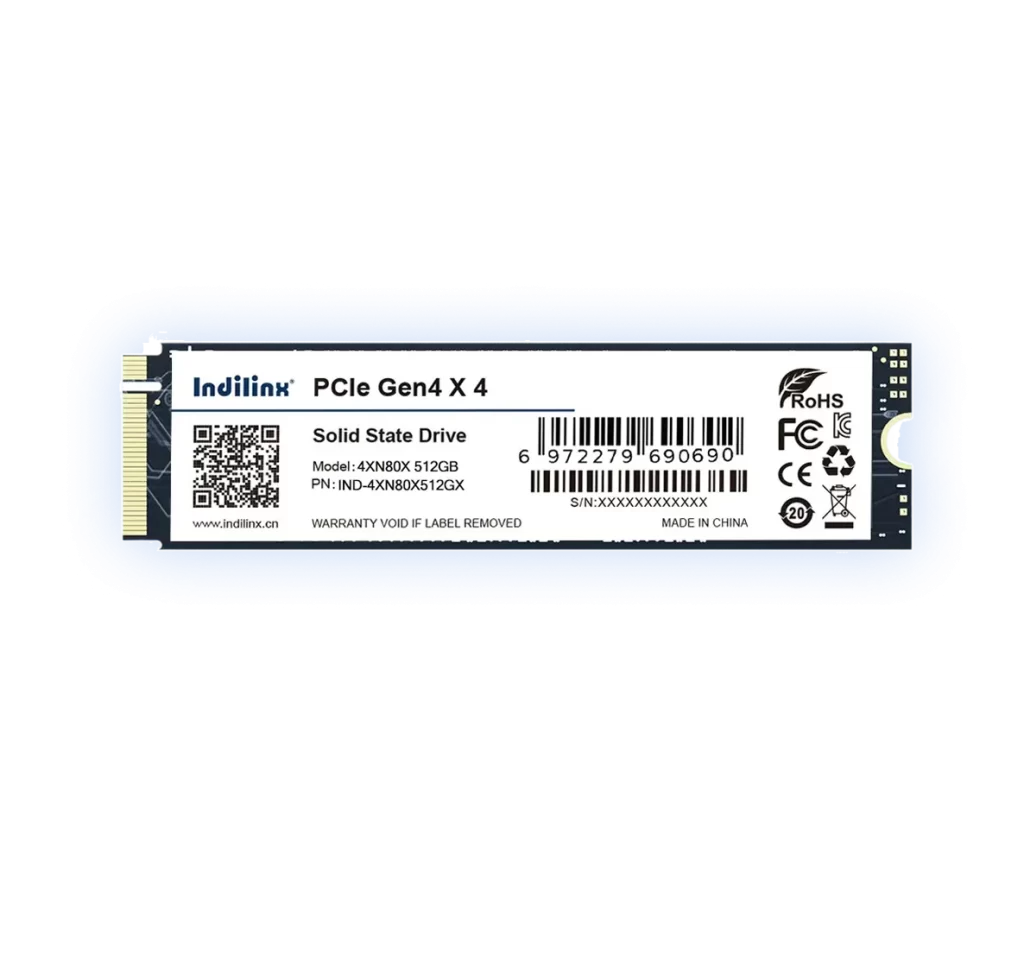
PCIe NVMe SSD-4XN80X
Engineered for stable high-speed performance and dependable data integrity.
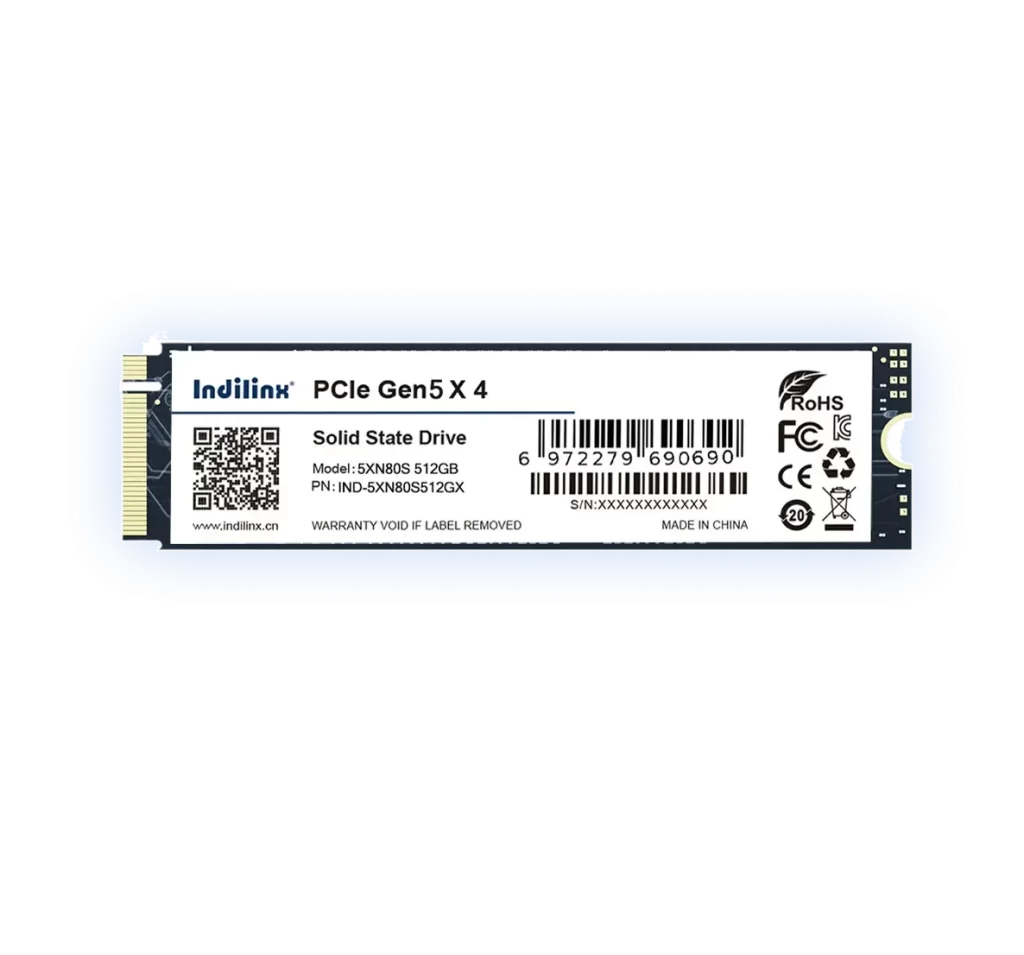
PCIe NVMe SSD-5XN80S
Engineered for stable high-speed performance and dependable data integrity.
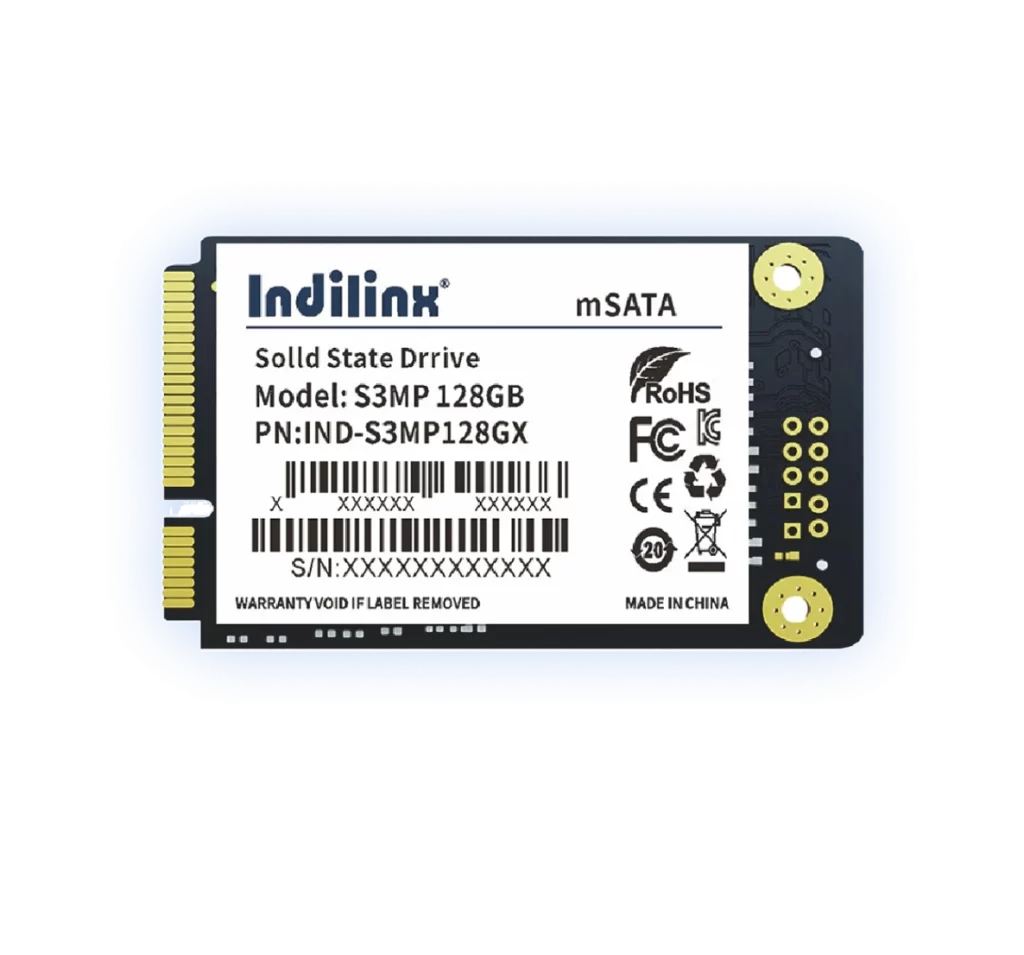
mSATA SSD
Engineered for stable high-speed performance and dependable data integrity.
High-Performance Solid State Storage Knowledge
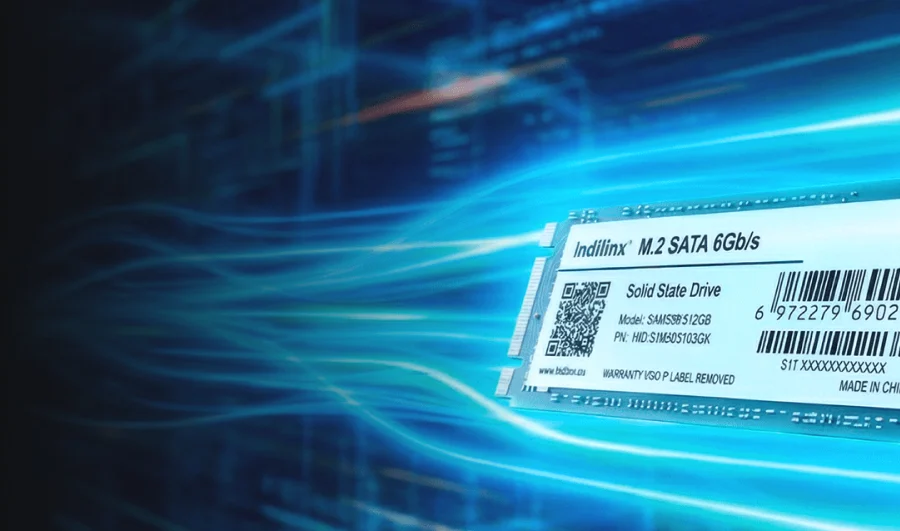
An M.2 SSD (Solid State Drive) is a high-performance storage solution that uses the M.2 form factor and interface to provide faster data transfer speeds, compact size, and improved reliability compared to traditional hard drives and older SSD technologies like SATA. M.2 is a small, rectangular shape, typically used in modern laptops, desktops, and gaming systems.
Affordable Performance:
SATA M.2 SSDs offer a cost-effective upgrade from HDDs, providing faster boot times and improved system responsiveness at a lower price point.
What is the difference between SATA M.2 SSD and regular SATA SSD?
SATA M.2 SSDs use the M.2 form factor, which is smaller and more compact than the traditional 2.5-inch SATA SSD. Both use the same SATA interface, but M.2 offers more flexibility in device integration, especially for ultrabooks and compact systems
Is a SATA M.2 SSD worth upgrading from an HDD?
Yes, upgrading from an HDD to a SATA M.2 SSD will significantly improve boot times, application loading speeds, and overall system performance, making it a worthwhile upgrade for better responsiveness and reliability.
Can I use a SATA M.2 SSD in any laptop or desktop?
Not all systems support M.2 SSDs. Ensure that your laptop or desktop has an M.2 slot that supports SATA connections. Many newer systems support M.2 SSDs, but it’s important to check compatibility before purchasing.
How does the power consumption of SATA M.2 SSDs compare to HDDs?
SATA M.2 SSDs consume significantly less power than traditional HDDs, which helps extend battery life in laptops and reduce energy usage in desktops, making them a more efficient choice for both performance and power-saving.SATA M.2 SSDs consume less power than traditional hard drives, improving battery life in portable devices and reducing overall energy consumption.
Compact Form Factor:
The M.2 design is space-efficient, perfect for ultra-thin laptops and desktops where saving space without compromising performance is crucial.
Reliable and Durable:
With no moving parts, SATA M.2 SSDs are more resistant to physical damage, offering long-lasting and dependable performance over time.
Solid State Storage Technical Services and Warranty Programs
The NVMe PCIe 3.0 SSD delivers exceptional speed and performance by utilizing the PCIe 3.0 interface and NVMe protocol. With read speeds up to 3,500 MB/s and write speeds up to 3,000 MB/s, it ensures faster boot times, quicker file transfers, and improved multitasking, making it perfect for gaming, high-performance computing, and data-intensive applications.
Blazing Fast Speeds
NVMe PCIe 3.0 SSDs offer read speeds up to 3,500 MB/s and write speeds up to 3,000 MB/s, ensuring faster system boot times, quick file transfers, and seamless gaming experiences.
Enhanced Reliability and Durability
1. NVMe PCIe 3.0 SSDs have no moving parts, making them more reliable and resistant to physical shocks and wear compared to traditional hard drives.