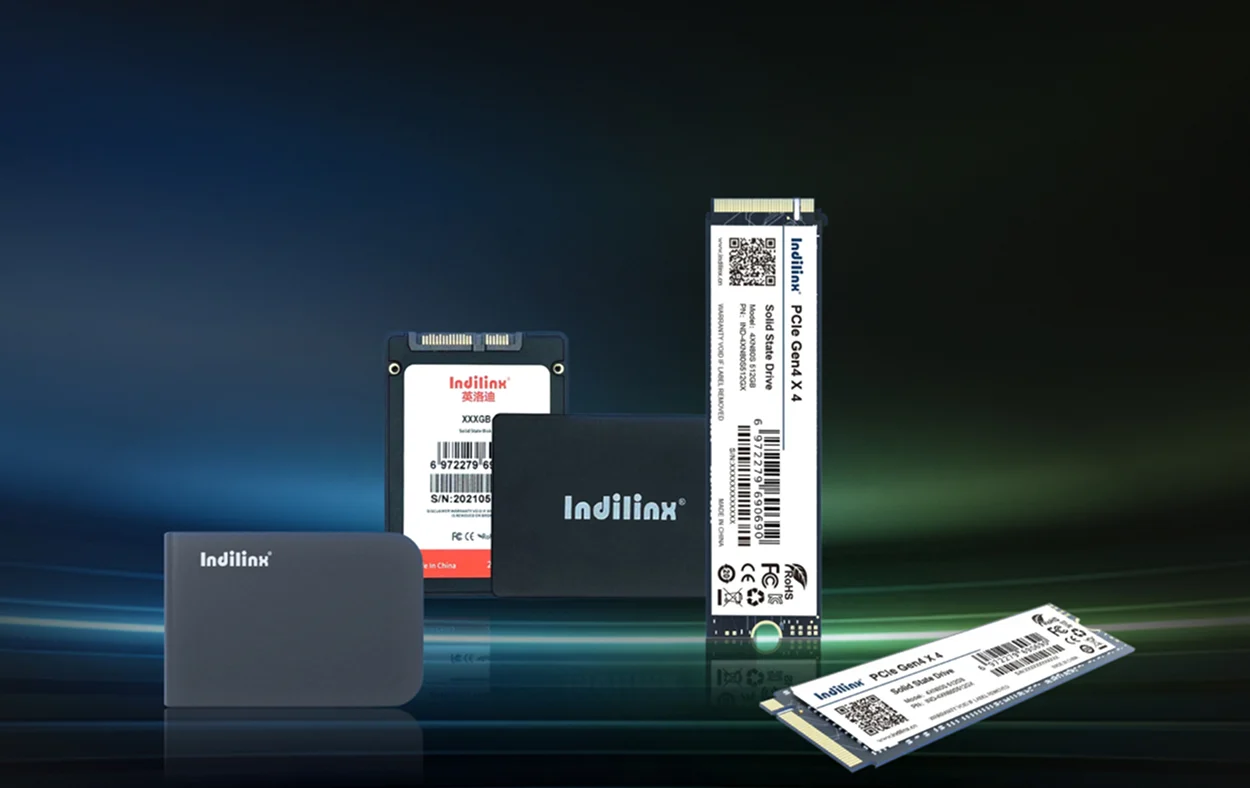










Selecting the right SSD hard drive requires more than comparing storage capacity or purchase price. Different applications have different requirements for speed, reliability, endurance, and compatibility. A suitable SSD hard drive should match the actual operating environment, data workload, and system architecture. Factors such as NAND Flash quality, controller technology, interface type, and expected service life all influence overall performance. Understanding these key factors helps engineers and buyers evaluate SSD solutions more effectively and choose a storage device that delivers stable performance for long-term applications.
Choosing the Right SSD Hard Drive Capacity Based on Storage Requirements

The storage capacity of an SSD hard drive determines how much data can be stored and how well the drive meets application requirements. Choosing the correct capacity requires evaluating current storage needs as well as future expansion requirements. Small-capacity SSD hard drives may be suitable for embedded systems, industrial controllers, and devices that mainly store operating software or configuration data, while higher-capacity SSD solutions are more suitable for applications involving large databases, continuous data recording, or enterprise workloads. For demanding environments, industrial SSD and enterprise SSD solutions are designed to provide stronger reliability, endurance, and stable performance under continuous operation.
Selecting SSD hard drive capacity should also consider the balance between available storage space, cost efficiency, and system performance. An oversized drive may increase unnecessary costs, while insufficient capacity can limit system operation and require frequent upgrades. By analyzing application data volume, workload characteristics, and expected usage period, users can select an SSD hard drive capacity that provides reliable storage performance without wasting resources.
Choosing the correct SSD hard drive capacity starts with evaluating the actual amount of data generated and stored by the application. Users should first identify the operating system size, application software requirements, database volume, temporary files, and daily data generation. For example, an industrial controller that only stores firmware and configuration files may require limited storage space, while a monitoring system that continuously records images or operational data needs significantly higher capacity.
After calculating the current storage requirement, users should reserve additional space for system operation and future data growth. An SSD hard drive should not be selected based only on the minimum storage requirement because insufficient free space may affect performance and shorten the practical service life of the drive. A suitable capacity should provide enough available storage while maintaining stable operation throughout the expected usage period.
The SSD Hard Drive Capacity Calculation Includes Current Data and Reserved Storage Space
To determine the appropriate SSD hard drive capacity, users can estimate capacity requirements by adding three main factors: current data storage, operating space, and future expansion. Current data includes existing files, software, and application databases. Operating space is the additional storage required for system processes, temporary files, and performance optimization. Future expansion accounts for increasing data volume during the product lifecycle.
For example, if an industrial device currently requires 80GB of storage, selecting an SSD hard drive with exactly 80GB capacity may leave insufficient space for future operation. A larger capacity SSD can provide additional room for data growth and reduce the need for frequent replacements. This calculation method helps users choose a more practical and reliable storage solution.
The SSD Hard Drive Capacity Should Match Different Application Data Workloads
Different applications generate different amounts of data, so SSD hard drive capacity should be selected according to workload characteristics. Embedded systems that mainly run operating software and store configuration parameters usually require smaller capacities. Industrial automation equipment, data logging systems, and edge computing devices often need larger SSD capacities because they continuously collect and store operational information.
For applications with high data generation rates, selecting a higher-capacity SSD hard drive can improve system flexibility and reduce maintenance requirements. However, capacity selection should also consider actual usage rather than choosing the largest option available. Matching SSD capacity with application workload helps achieve a better balance between storage availability, system efficiency, and overall cost.
Selecting an SSD Hard Drive Based on Read and Write Performance Requirements
The performance of an SSD hard drive is mainly determined by its read and write capabilities, which directly affect how quickly data can be accessed and processed. When selecting an SSD hard drive, users should evaluate both sequential and random performance according to their application requirements. Sequential speed is important for large file transfers and continuous data processing, while random performance is more critical for systems that frequently access small amounts of data.
A suitable SSD hard drive should provide performance that matches the workload rather than simply choosing the highest available speed. For industrial equipment and embedded systems, stable performance under continuous operation is often more important than short-term peak speed. Evaluating read/write requirements helps users select an SSD hard drive that maintains efficient data access while ensuring reliable operation throughout the product lifecycle.
The SSD Hard Drive Sequential Performance Supports Large Data Transfers
Sequential read and write performance measures how efficiently an SSD hard drive processes continuous blocks of data. This performance characteristic is especially important for applications that frequently transfer large files, such as video recording systems, industrial data collection equipment, enterprise storage platforms, and backup solutions. In these scenarios, higher sequential performance can reduce data transfer time and improve overall system efficiency.
When selecting an SSD hard drive for large-scale data processing, users should compare sequential read and write specifications with the actual data transfer requirements of the application. However, maximum sequential speed should not be the only selection factor, because real-world performance can also be affected by workload duration and system environment. A suitable SSD should provide consistent data transfer capability while maintaining stable operation during continuous workloads.
The SSD Hard Drive Random Performance Improves Frequent Data Access Efficiency
Random read and write performance reflects how effectively an SSD hard drive handles multiple small data requests that are stored in different locations. This capability is particularly important for operating systems, databases, embedded devices, and industrial control systems, where the storage device needs to process frequent small data operations instead of only transferring large files.
A suitable SSD hard drive with strong random performance can reduce access delays and improve system responsiveness during complex workloads. When evaluating random performance, users should consider application behavior, including the number of concurrent data requests and access frequency. Choosing an SSD with appropriate random access capability helps maintain smooth operation and prevents storage performance from becoming a limitation in the overall system.
The SSD Hard Drive Performance Should Match Application Workload Requirements
Choosing the right SSD hard drive performance level requires analyzing the actual workload rather than simply selecting the fastest available product. Different applications have different performance priorities. For example, a data logging system may require stable continuous writing performance, while an embedded control device may focus more on fast response and reliable data access. Understanding these differences helps users avoid selecting an SSD that does not match their real application needs.
A properly selected SSD hard drive should provide enough performance capacity for current workloads while maintaining stable operation during long-term use. Selecting a drive with insufficient performance may create system bottlenecks, while choosing excessive performance may increase unnecessary costs. By evaluating workload intensity, data processing patterns, and expected operating conditions, users can select an SSD solution with the right performance level.
The SSD Hard Drive Sustained Performance Ensures Stable Long-Term Operation
Peak performance values shown in SSD specifications usually represent short-term testing results and may not fully reflect actual operating conditions. During continuous data writing, high workload environments, or extended operation periods, an SSD hard drive may experience performance changes. Therefore, users should pay attention to sustained read and write performance when selecting SSD solutions for industrial and commercial applications.
Stable sustained performance allows an SSD hard drive to maintain consistent data processing capability over long periods instead of only achieving high speed during short operations. When evaluating sustained performance, users should consider factors such as workload duration, daily data volume, and continuous operating requirements. This helps ensure that the selected SSD can provide reliable performance throughout the expected service life of the system.
Evaluating SSD Hard Drive NAND Flash Quality for Reliable Data Storage

NAND Flash memory quality is an important factor when evaluating an SSD hard drive because it directly affects data reliability, endurance, and long-term performance. Different NAND Flash technologies have different characteristics in terms of storage density, write cycles, and durability. Selecting an SSD hard drive with suitable NAND Flash helps ensure that the storage device can handle the expected workload and maintain stable operation over time.
The quality of NAND Flash also influences how effectively an SSD hard drive manages repeated data writing and storage tasks. Applications with frequent data updates require stronger endurance to reduce performance degradation caused by continuous write operations. By considering NAND Flash characteristics together with application requirements, users can choose an SSD hard drive that provides a better balance between capacity, reliability, and operating lifespan.
The SSD Hard Drive NAND Flash Type Determines Storage Reliability and Endurance
The NAND Flash type used in an SSD hard drive has a direct impact on storage reliability, endurance, and overall operating performance. Different NAND Flash technologies have different characteristics in terms of data density, write cycles, and durability. When selecting an SSD hard drive, users should understand how NAND Flash technology matches their application requirements, because the storage medium determines how well the drive can handle repeated data writing and long-term operation.
For applications with limited data updates, standard NAND Flash solutions may provide sufficient storage performance and cost efficiency. However, systems that frequently write and update large amounts of data require NAND Flash with higher endurance characteristics. Evaluating NAND Flash type helps users select an SSD hard drive that can maintain stable data storage performance under different workload conditions.
The SSD Hard Drive Uses Different NAND Flash Technologies for Different Applications
Different NAND Flash technologies provide different balances between storage density, cost, and endurance. Common NAND Flash types include SLC, MLC, TLC, and QLC, with each technology designed for different application requirements. SLC provides higher endurance and reliability, while TLC and QLC offer higher storage density and better cost efficiency for applications with lower write intensity.
When selecting an SSD hard drive, users should consider the relationship between NAND Flash characteristics and actual workload requirements. Industrial equipment, embedded systems, and continuous data recording applications usually require stronger endurance, while general storage applications may prioritize capacity and cost. Choosing the appropriate NAND Flash technology helps ensure that the SSD performs reliably throughout its expected service life.
The SSD Hard Drive NAND Flash Quality Affects Long-Term Data Stability
The quality of NAND Flash directly influences how an SSD hard drive manages repeated data writing, storage operations, and long-term usage. During continuous operation, NAND Flash cells experience wear caused by repeated program and erase cycles. Higher-quality NAND Flash can better withstand these operations, helping maintain stable performance and reduce the risk of data reliability issues over time.
For applications that require continuous operation, selecting an SSD hard drive with reliable NAND Flash quality is essential. Systems such as industrial automation equipment, monitoring devices, and data acquisition platforms often generate frequent write operations, making NAND Flash endurance an important selection factor. Evaluating Flash quality allows users to choose storage devices that provide consistent performance and longer operational reliability.
The SSD Hard Drive NAND Flash Endurance Matches Data Writing Requirements
NAND Flash endurance determines how much data an SSD hard drive can write before the memory cells begin to experience performance degradation. Applications with frequent data recording, database updates, or continuous logging require SSDs with stronger NAND Flash endurance to ensure stable operation over time.
When evaluating an SSD hard drive, users should consider factors such as daily write volume, expected service life, and workload intensity. Selecting NAND Flash with suitable endurance characteristics helps prevent premature storage failure and reduces maintenance requirements. Matching NAND Flash endurance with application needs allows the SSD to deliver more reliable performance throughout its operating lifecycle.
The SSD Hard Drive NAND Flash Quality Balances Capacity and Reliability
NAND Flash quality also affects the balance between storage capacity and long-term reliability. Higher-density NAND Flash can provide larger storage capacity within a smaller physical size, but different Flash technologies may have different endurance characteristics. Therefore, selecting an SSD hard drive requires considering whether the available capacity can support the expected workload.
A suitable SSD hard drive should provide enough storage space while maintaining reliable data protection during continuous use. By evaluating NAND Flash quality together with application requirements, users can avoid choosing a drive that offers high capacity but cannot meet operational demands. This balance helps achieve better performance, reliability, and cost efficiency.
Choosing an SSD Hard Drive with a Suitable Controller for Stable Operation

The controller is a key component that determines how an SSD hard drive manages data storage and internal operations. It coordinates communication between NAND Flash memory and the host system while handling important functions such as error correction, data distribution, and performance optimization. A well-designed controller allows an SSD hard drive to maintain stable performance under different workloads and operating conditions.
When selecting an SSD hard drive, users should consider controller capabilities rather than focusing only on storage capacity or speed specifications. Advanced controller technology can improve data accuracy, reduce potential failures, and extend the usable lifespan of the drive. For industrial and enterprise applications, reliable controller performance is essential for maintaining consistent storage operation in demanding environments.
The SSD Hard Drive Controller Manages Data Processing and Storage Operations
The controller is the central management component of an SSD hard drive and controls how data is transferred, stored, and accessed within the drive. It works as a bridge between the host system and NAND Flash memory, managing communication processes and ensuring that data operations are completed efficiently. When selecting an SSD hard drive, understanding controller capabilities helps users evaluate whether the drive can support their application workload.
A high-quality controller improves the overall stability of an SSD hard drive by optimizing data flow and managing internal storage resources. It handles tasks such as data allocation, read and write scheduling, and error management to maintain consistent performance. For applications that require continuous operation, a reliable controller is essential for reducing performance fluctuations and improving storage system reliability.
The SSD Hard Drive Controller Improves Data Accuracy Through Error Correction
Error correction is one of the most important functions of an SSD hard drive controller because NAND Flash memory may experience data errors during repeated read and write operations. The controller uses error correction algorithms to detect and repair potential data issues, helping maintain data integrity and improve storage reliability.
When selecting an SSD hard drive, users should consider whether the controller provides effective error management capabilities, especially for industrial and enterprise applications. Strong error correction technology allows the SSD to maintain stable operation under demanding workloads and reduces the risk of data corruption caused by memory wear or environmental factors.
The SSD Hard Drive Controller Optimizes Data Distribution Through Storage Management
The controller inside an SSD hard drive manages how data is distributed across NAND Flash memory cells during operation. Through functions such as wear leveling and internal data management, the controller helps distribute write operations more evenly and prevents certain memory areas from being used excessively.
Effective storage management allows an SSD hard drive to maintain more consistent performance over time. By optimizing data placement and reducing unnecessary memory stress, the controller helps improve operational stability and supports longer service life. This capability is especially important for applications that perform frequent data updates or continuous writing tasks.
The SSD Hard Drive Controller Capability Should Match Application Requirements
Different applications place different demands on an SSD hard drive controller. Consumer devices may focus mainly on basic storage performance, while industrial equipment, embedded systems, and enterprise applications often require stronger controller capabilities for stable operation under continuous workloads.
When choosing an SSD hard drive, users should evaluate controller functions according to the operating environment and data processing requirements. Factors such as workload intensity, expected operating time, data reliability requirements, and system conditions should be considered together. Selecting a suitable controller helps ensure that the SSD can provide consistent performance rather than only achieving high speed in short-term tests.
The SSD Hard Drive Controller Supports Stable Performance Under Continuous Workloads
For applications that require long-term operation, the controller plays an important role in maintaining stable SSD hard drive performance. Continuous data writing, frequent access requests, and complex workloads can increase pressure on storage devices, making effective controller management necessary.
A capable controller can optimize internal operations, manage data movement, and reduce performance degradation during extended use. This allows the SSD hard drive to maintain reliable data access and consistent operation in industrial and commercial environments where unexpected interruptions can affect system efficiency.
Selecting an SSD Hard Drive Interface for System Compatibility
The interface type is another important consideration when selecting an SSD hard drive because it determines how the drive communicates with the host system. Common SSD interfaces include SATA, PCIe, and NVMe, each providing different levels of bandwidth, compatibility, and application suitability. Choosing the correct interface ensures that the SSD hard drive can achieve expected performance while working properly with existing hardware systems.
Before selecting an SSD hard drive interface, users should evaluate system architecture, available connections, and required data transfer speed. For example, SATA-based SSDs are widely used in systems requiring stable compatibility, while PCIe and NVMe interfaces are designed for applications that need higher data throughput. Proper interface selection helps avoid compatibility issues and ensures efficient storage performance.
The SSD Hard Drive Interface Determines System Compatibility and Data Communication
The interface of an SSD hard drive defines how the storage device communicates with the host system and determines whether the drive can be properly integrated into existing hardware. Different interfaces use different communication methods and provide different levels of compatibility, bandwidth, and installation requirements. When selecting an SSD hard drive, users should first confirm the interface supported by the system to avoid connection problems or performance limitations.
A suitable SSD interface allows the storage device to work efficiently with the motherboard, controller, or embedded platform. For example, SATA interfaces are commonly used in systems that prioritize compatibility and stable operation, while PCIe and NVMe interfaces are designed for applications that require higher data transfer capabilities. Understanding interface characteristics helps users choose an SSD hard drive that matches the existing system architecture.
The SSD Hard Drive SATA Interface Provides Wide Compatibility for Standard Systems
SATA is one of the most widely used interfaces for SSD hard drives because it offers strong compatibility with many existing computer systems, industrial devices, and embedded platforms. SATA-based SSDs are suitable for applications that require reliable storage performance without requiring extremely high data transfer speeds.Indilinx provides SATA SSD solutions designed for applications requiring stable compatibility and reliable storage performance.
When selecting a SATA SSD hard drive, users should verify the supported SATA generation and physical connector type of the host system. Although SATA provides stable communication and easy integration, its bandwidth is lower compared with newer interfaces such as PCIe. Therefore, SATA is usually a practical choice for systems where compatibility and reliability are more important than maximum transfer speed.
The SSD Hard Drive PCIe and NVMe Interfaces Support High-Speed Data Transfer
PCIe NVMe SSD solutions are designed for applications that require higher storage performance and faster data communication. Compared with traditional SATA interfaces, PCIe-based SSD hard drives can provide significantly higher bandwidth by using direct communication through the PCIe bus. NVMe technology further improves efficiency by optimizing communication between the SSD and the host system.
When selecting an SSD hard drive with PCIe or NVMe interface, users should confirm that the host platform supports the required protocol and physical connection. These interfaces are commonly used in high-performance computing, enterprise systems, industrial equipment, and applications that process large amounts of data. Proper interface matching ensures that the SSD can deliver the expected performance without compatibility limitations.
The SSD Hard Drive Interface Selection Should Match Application and Hardware Requirements
Choosing the correct SSD hard drive interface requires evaluating both application needs and existing hardware conditions. Users should consider factors such as available connectors, motherboard support, required data transfer speed, system design limitations, and future upgrade plans. Selecting an interface only based on higher specifications may result in compatibility problems or unnecessary costs.
A suitable SSD interface should provide the required communication performance while fitting the overall system architecture. For example, upgrading an existing industrial system may require maintaining SATA compatibility, while designing a new high-performance platform may benefit from PCIe or NVMe solutions. Matching the SSD interface with actual application requirements helps achieve reliable operation and efficient storage integration.
The SSD Hard Drive Interface Compatibility Prevents Performance and Installation Issues
Interface compatibility is a critical factor when selecting an SSD hard drive because an incompatible connection may prevent the drive from operating correctly or limit its available performance. Even if an SSD provides advanced specifications, the system cannot fully utilize its capabilities without proper hardware and protocol support.
Before purchasing an SSD hard drive, users should check interface type, connector format, communication protocol, and system requirements. Proper compatibility evaluation reduces installation difficulties and prevents situations where the SSD cannot reach expected performance. This selection process helps ensure smooth integration and stable storage operation throughout the product lifecycle.
Choosing an SSD Hard Drive with High Endurance for Long-Term Reliability

Endurance is a critical factor when selecting an SSD hard drive for applications that require continuous operation and frequent data writing. Unlike short-term consumer usage, industrial and enterprise environments often require storage devices to operate for extended periods under stable conditions. Parameters such as Total Bytes Written (TBW), write cycles, and operating temperature range help evaluate whether an SSD hard drive can meet long-term reliability requirements.
A high-endurance SSD hard drive can reduce maintenance frequency and improve system availability by maintaining stable performance throughout its service life. Proper selection should consider workload intensity, data writing frequency, and environmental conditions. By choosing an SSD hard drive with suitable endurance characteristics, users can achieve reliable data storage performance and reduce the risk of unexpected storage failures.
The SSD Hard Drive Endurance Determines Long-Term Storage Reliability
The endurance of an SSD hard drive represents its ability to handle repeated data writing and maintain stable performance throughout its service life. Unlike applications with occasional data access, industrial and enterprise systems often perform continuous writing operations, which can gradually wear NAND Flash memory cells. Therefore, endurance is an important factor when selecting an SSD hard drive for long-term and high-intensity workloads.
When evaluating SSD endurance, users should consider specifications such as Total Bytes Written (TBW), write cycles, and expected operating conditions. A higher endurance SSD hard drive can support more data writing before performance degradation occurs, making it suitable for applications such as industrial automation, data logging, surveillance systems, and enterprise storage environments.
The SSD Hard Drive TBW Rating Measures Data Writing Capability
Total Bytes Written (TBW) is one of the key indicators used to evaluate SSD hard drive endurance. It represents the total amount of data that can be written to the drive during its rated service life under specified operating conditions. A higher TBW value generally indicates that the SSD can handle more intensive writing workloads before reaching its endurance limit.
When selecting an SSD hard drive, users should compare the TBW rating with the actual data writing requirements of their applications. Systems that continuously record, update, or process large amounts of data require higher TBW ratings, while applications with lighter workloads may not require the same endurance level. Matching TBW capability with workload helps avoid premature storage replacement and improves long-term reliability.
The SSD Hard Drive Endurance Should Match Workload and Operating Conditions
Selecting the correct endurance level requires analyzing how the SSD hard drive will be used in the actual application environment. Different workloads create different levels of stress on storage devices. For example, a device that mainly reads stored data may require moderate endurance, while systems performing frequent data recording or database updates require stronger write endurance.
Environmental conditions should also be considered when choosing an SSD hard drive for long-term operation. Factors such as operating temperature, continuous running time, and data writing frequency can influence storage reliability. By matching SSD endurance characteristics with workload intensity and environmental requirements, users can select a storage solution that maintains stable performance over an extended service period.
The SSD Hard Drive Maintains Reliability Through Proper Endurance Selection
Choosing an SSD hard drive with suitable endurance helps reduce maintenance requirements and improves system availability. If an SSD is used beyond its designed workload capacity, repeated write operations may accelerate memory wear and affect long-term reliability. Selecting a drive with sufficient endurance provides additional protection against performance degradation and unexpected storage failures.
For industrial and commercial applications, endurance selection should be based on expected usage conditions rather than only initial cost. A higher-endurance SSD hard drive may provide better long-term value by reducing replacement frequency and minimizing system downtime. Proper endurance planning allows storage devices to support continuous operation while maintaining reliable data access.
Selecting the Right SSD Hard Drive Based on Overall Application Requirements

Choosing the right SSD hard drive requires a comprehensive evaluation of storage capacity, performance, reliability, compatibility, and operating conditions. Each application has different priorities, and the ideal SSD solution should be selected according to actual workload requirements rather than a single specification. By considering factors such as NAND Flash quality, controller capability, interface type, and endurance level, users can identify an SSD hard drive that matches their system needs.
A properly selected SSD hard drive can provide stable data storage, efficient performance, and long-term reliability in different application environments. Depending on specific usage scenarios, users may choose different storage products, including portable SSD, USB SSD, and other customized storage solutions. For industrial, commercial, and embedded systems, understanding the relationship between hardware design and operating requirements helps prevent performance limitations and premature failures. A complete evaluation process enables engineers and buyers to choose an SSD hard drive that delivers consistent performance throughout its service life.
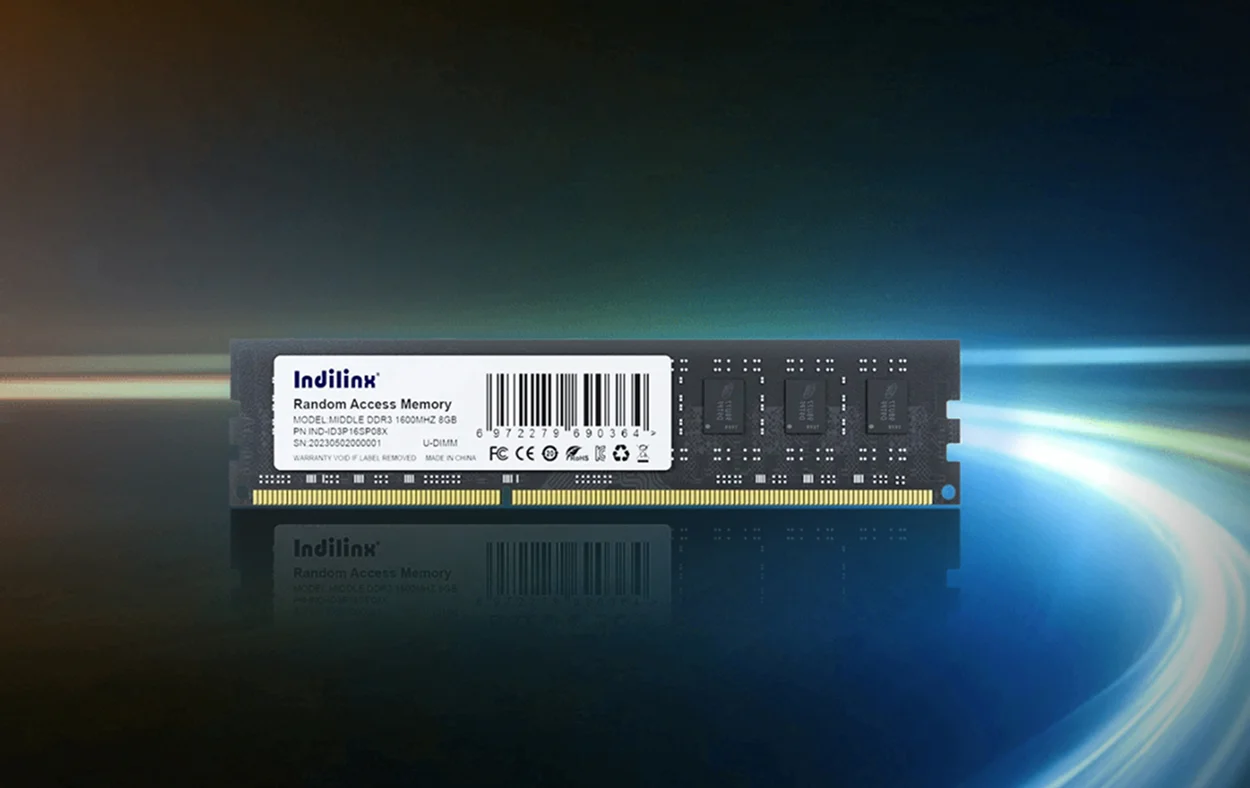
In some computing systems, storage performance also needs to work together with memory resources. Indilinx provides DDR memory solutions to support different computing and embedded applications.