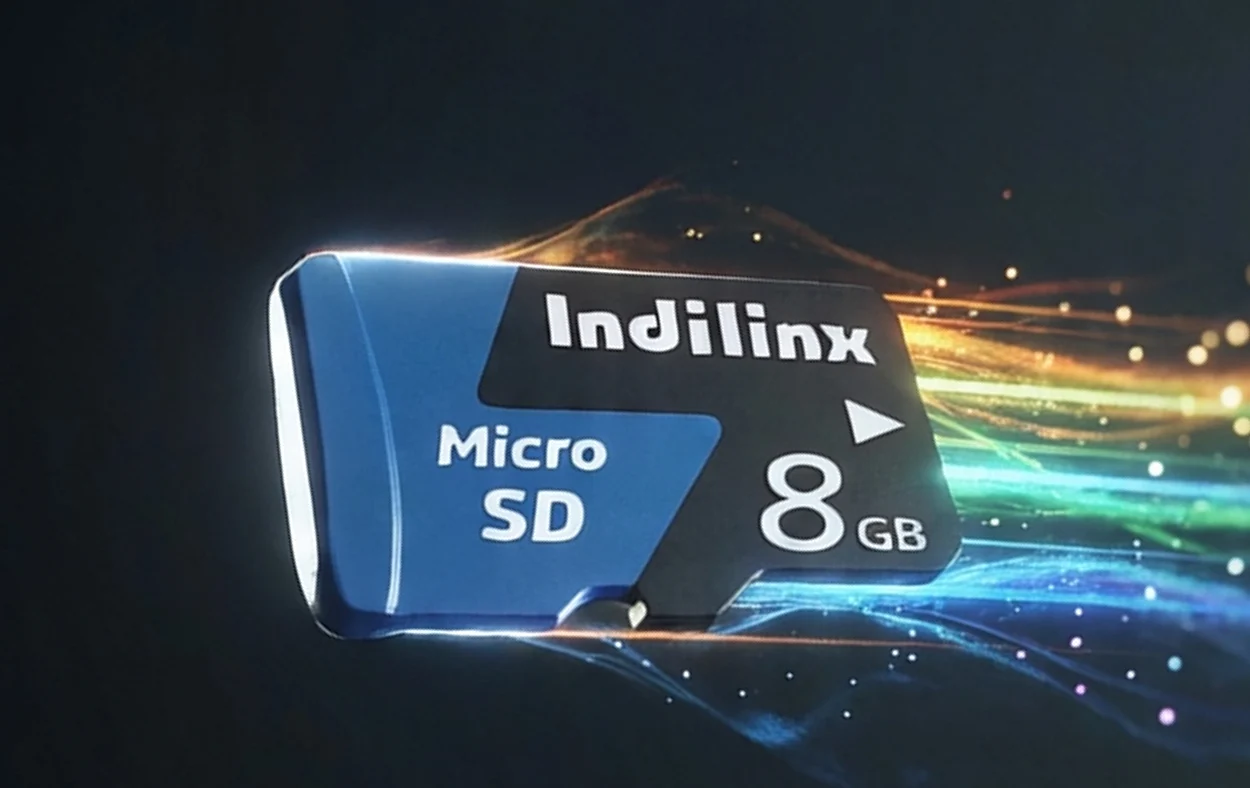








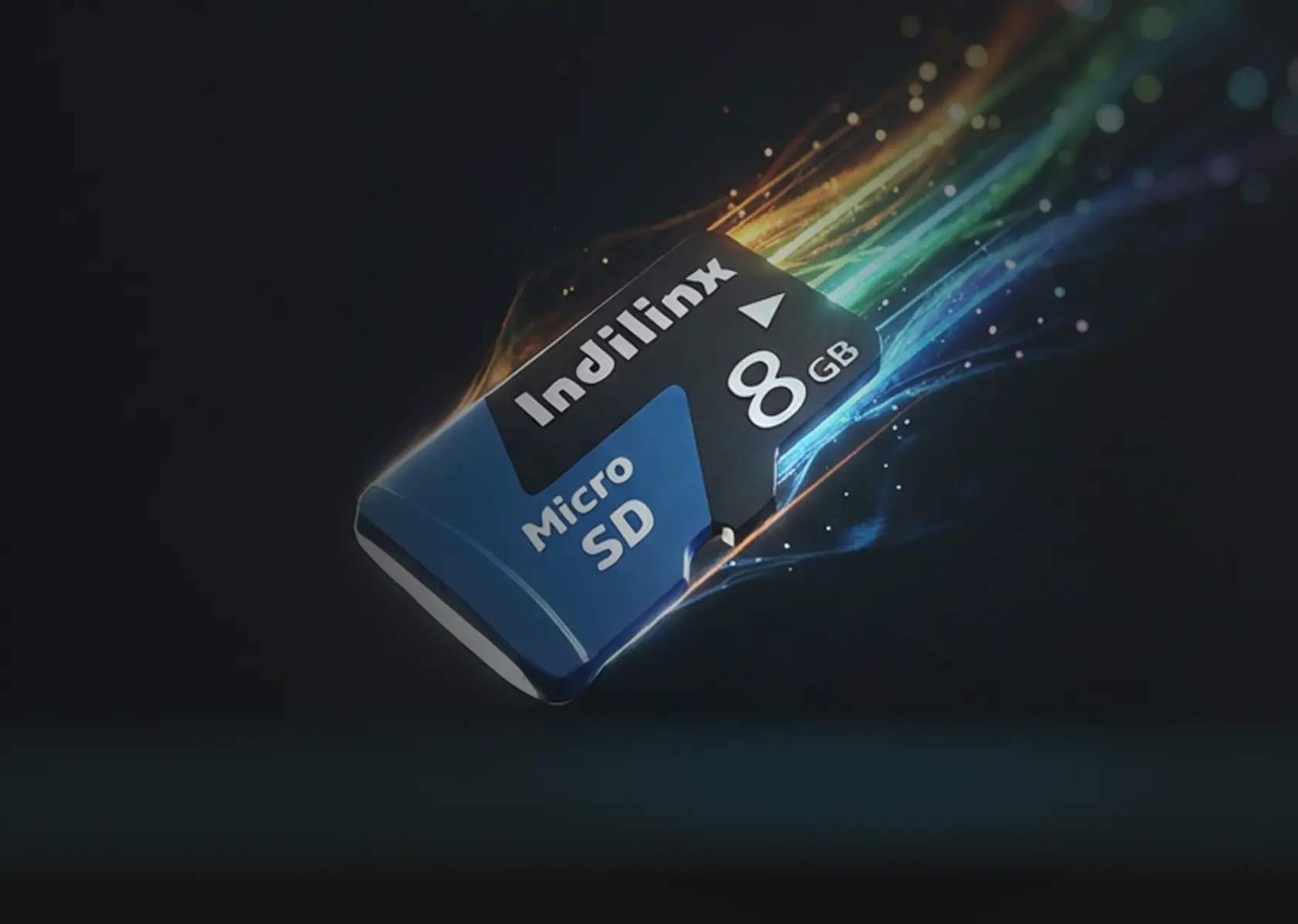
In the context of constantly upgrading mobile devices and smart terminals, Micro SD cards are no longer just simple storage expansion tools, but a crucial component directly impacting device performance and user experience. Many users focus on capacity or nominal speed when choosing a Micro SD card, but in actual use, the difference in experience isn’t determined by a single parameter, but by the overall performance of a complete set of capabilities.
A truly “powerful” Micro SD card needs to maintain stable performance across multiple dimensions: sufficient transfer speed to support efficient data processing, stable write speeds during extended operation, smooth response during high-frequency operations, and data security in complex environments. Simultaneously, it needs good device compatibility, enabling stable operation on different devices, and adapting to diverse usage scenarios through a compact design and multiple capacity options.
Therefore, the key to judging the performance of a Micro SD card lies not in whether a single parameter is outstanding, but in its ability to strike a balance between efficiency, stability, smoothness, and reliability, and to consistently perform well across different devices and usage environments. Understanding this is crucial to truly seeing where the “strength” of a Micro SD card lies.
High-speed Transmission is the Core Performance Indicator
The performance foundation of a Micro SD card is primarily reflected in its data transfer efficiency. Whether it’s file storage, video recording, or device data retrieval, high-speed transmission capability determines the overall efficiency of information processing. If read and write speeds are insufficient, even with excellent other performance indicators, it will be difficult to support high-load usage scenarios. Therefore, transmission speed is the core starting point for measuring Micro SD card performance.
In practical use, many operations rely on rapid data read and write operations. For example, large file transfers, importing and exporting high-definition video footage, and devices reading stored content all place high demands on sequential read and write speeds. When a Micro SD card has high read and write speeds, it can significantly reduce waiting time and improve overall operational efficiency.
How High-speed Read/Write Speeds Affect Usage Efficiency
Improved sequential read/write speeds directly impact “data transfer efficiency.” For example:
- Significantly reduced large file transfer time
- More efficient video material export and import
- Faster device response when reading data
- Improved multimedia content loading speed
The essence of these changes is reducing the time required for data transfer between the device and storage, making operations smoother.
Why Peak Speed remains Important
While stability is more critical in continuous write scenarios, peak speed still determines the upper limit of performance in short periods. High-speed read/write capabilities can significantly improve efficiency in operations such as file copying and batch data processing.
For example, a read speed of up to 170MB/s can complete the loading of large amounts of data in a short time, making the device more efficient when handling high-volume content. This capability is particularly evident in content creation, video editing, or large file management.
How High-speed Performance supports Other Capabilities
High-speed transmission not only affects individual operations but also provides fundamental support for other performance aspects. For example:
- Higher write speeds provide a prerequisite for stable recording
- Faster data reading improves application loading efficiency
- High-speed response reduces overall system latency
In other words, without sufficient transfer speed, other performance advantages are difficult to fully realize.
Why is this a Fundamental Capability of “Strength”?
All the performance characteristics of a Micro SD card are essentially built upon its data transfer capabilities. Higher speeds mean more data can be processed per unit of time, thus improving overall efficiency.
Therefore, its “strength” is first reflected in its ability to provide efficient data transfer capabilities. On top of this, stability, smoothness, and reliability are added, ultimately forming a complete performance system. High-speed transfer is the starting point of this system and one of its irreplaceable core capabilities.
Speed Class Rating Affects Stable Performance
The performance of a Micro SD card depends not only on its achievable speed, but more importantly on its ability to maintain stable output during extended operation. In scenarios such as video recording, continuous shooting, and drone aerial photography, devices need to continuously write large amounts of data. Any fluctuation in the memory card’s speed will directly affect the results, such as recording interruptions, dropped frames, or file corruption. Therefore, stability is one of the core standards for measuring the “reliability” of a Micro SD card.
Unlike short-duration data transfers, these usage scenarios are essentially continuous high-load write processes. The performance requirement is not “instantaneous speed,” but “constant stability.” If the memory card cannot maintain stable write speeds, even with high peak speeds, it will be difficult to support the entire task.
Speed Rank defines a “Stable Lower Limit”
The core function of speed rank is to set a minimum sustained write speed standard for Micro SD cards. Common UHS speed ranks (such as U1, U3) and video speed ranks (such as V30, V60) do not emphasize peak performance, but rather ensure that the speed does not drop below a certain level during long-term write operations.
For example, the U3 or V30 rank can provide a stable 30MB/s write speed, which is crucial for high-bitrate scenarios such as 4K video recording. Its significance lies in the fact that even under sustained high load, data writing remains stable, thus avoiding task interruption.
How Stable Write Speed affects Real-World Usage
Differences in sustained write speed will directly translate into differences in user experience in real-world use. For example:
- Video recording will not stop due to insufficient buffering
- Data can be written promptly during continuous shooting, avoiding stuttering
- Drones or action cameras maintain stable recording during long-term operation
- There will be no sudden drop in speed during the writing of large files
The common thread in these performance characteristics is that the task can be completed “fully,” rather than being limited midway.
Why Stability is More Critical than Peak Speed
Many users tend to focus on the advertised maximum read/write speeds, but this metric reflects the upper limit of short-term performance. In real-world use, once continuous writing begins, devices rely more heavily on stable output capabilities.
This can be understood as: peak speed determines “how fast it can go,” while speed tier determines “how slow it can go.” In high-load scenarios, the latter has a more direct impact on the results. Without stable write performance, high peak performance is difficult to translate into real value.
Why is this a Key Aspect of “Strength”?
The “strength” of Micro SD cards lies not only in improved efficiency but also in ensuring the successful completion of critical tasks. Speed tiers limit performance fluctuations, providing a stable data writing environment for the device, enabling it to continue operating even in complex scenarios.
This guarantee of “process stability” gives Micro SD cards higher reliability under high loads and makes it an indispensable part of their performance system.
Enhanced Application Performance for a Better User Experience
The performance of a Micro SD card is not only reflected in data transfer and continuous write capabilities, but also in its responsiveness during everyday use. In scenarios such as mobile phones, tablets, and gaming devices, the storage card needs to frequently participate in application loading, data reading, and background processing. The performance requirement for these operations is not “how fast,” but “how smooth.” If performance in this dimension is insufficient, even with high sequential read/write speeds, the actual user experience will still experience stuttering and latency.
Unlike large file transfers, application operation relies on frequent read/write operations on numerous small files. For example, application startup requires loading multiple resource files, the system continuously synchronizes data in the background, and games constantly read cache and assets during operation. These behaviors are fragmented and high-frequency, placing higher demands on the random read/write capabilities of the storage device.
A1 and A2 Classes define Application Responsiveness
To measure this performance dimension, Application Performance Classes (A1 and A2) have been introduced, using IOPS (Input/Output Count) to define the Micro SD card’s performance in random read/write scenarios. Compared to the traditional MB/s speed unit, this standard is closer to real-world usage.
A1 level is sufficient for basic application operation, while A2 level offers higher response efficiency in multitasking and high-frequency access scenarios. This difference isn’t immediately apparent in a single operation, but it gradually amplifies with continued use, ultimately resulting in a difference in overall smoothness.
How Random Read/Write affects User Experience
When a Micro SD card has higher random read/write capabilities, the device can respond faster when processing small data requests. For example:
- Faster application launch speed, reducing waiting time
- Smoother multitasking switching, reducing lag
- More stable game loading and running
- More efficient background data processing
These improvements in experience essentially stem from increased data response efficiency, rather than an increase in a single speed parameter.
Why is Application Performance a Key Independent Capability?
Sequential read/write speed addresses “how to transfer large amounts of data faster,” speed rating addresses “whether continuous writes are stable,” while application performance addresses “whether high-frequency operations are smooth.” These three address different use cases and cannot be substituted for one another.
If application performance is ignored, even with high-speed and stable write capabilities, noticeable stuttering may still occur in actual use. This is why many users experience significant differences in experience after replacing their memory cards.
Why is this a Key Manifestation of “Strength”?
The “strength” of Micro SD cards lies not only in improved processing efficiency but also in optimizing every interaction during use. Improved application performance allows them to better adapt to the usage patterns of modern devices, transforming them from simple data storage tools into a crucial component affecting system smoothness.
This direct impact on “user experience” makes application performance an indispensable key dimension in the Micro SD card performance system.
Durability and Reliability Ensure Long-Term Stable Operation
The performance advantages of Micro SD cards are not only reflected in speed and smoothness, but also in their stable operation under various complex environments. In practical use, memory cards often undertake critical data recording tasks. A failure would not only result in a degraded user experience, but also in the direct loss of data. Therefore, durability and reliability determine whether it is truly “usable.”
During outdoor shooting, drone aerial photography, dashcam use, or mobile device usage, memory cards need to withstand various uncertainties such as vibration, temperature variations, humid environments, and even special testing environments. Without sufficient protection, even the highest performance cannot guarantee the successful completion of tasks. A truly “powerful” Micro SD card should maintain stable recording capabilities even under these complex conditions.
Multiple Protection Capabilities address Real-world Usage Risks
The shockproof, high-temperature resistant, waterproof, and X-ray resistant designs commonly found on Micro SD cards are not just single selling points, but rather targeted coverage for different risk scenarios:
- Shockproof capability ensures uninterrupted data writing during movement or impact environments.
- High and low temperature resistance allows it to adapt to temperature variations in outdoor shooting or in-vehicle environments.
- Waterproof design reduces the risk of data damage from accidental liquid contact.
- X-ray resistant capability ensures data is not interfered with or damaged in environments such as security checks.
The essence of these capabilities is to reduce the impact of environmental factors on the storage process, making data recording more stable and controllable.
Why Reliability Directly determines the Final Result
Unlike speed or smoothness, reliability issues, once they occur, are usually irreparable. For example, damaged video footage, lost recordings, or unreadable critical data are often irrecoverable losses. Therefore, in scenarios involving recording and storage, the ability to “complete the task stably” is more important than “how high the performance is.”
Stable Performance in Long-Term Use
Durability is not only reflected in handling extreme environments but also in stability during long-term use. High-quality Micro SD cards maintain stable performance during repeated read and write operations, reducing the probability of errors and preventing performance degradation or data anomalies over time.
This means that in scenarios such as surveillance recording, long-term shooting, or continuous data storage, devices can rely on them for long-term operation without frequent replacements or concerns about sudden failures.
Why this is a Key Manifestation of “Strength”
The “strength” of Micro SD cards lies not only in improved efficiency but also in ensuring the outcome. Performance determines the experience, while reliability determines whether data can be completely preserved.
Through multi-layered protection design and long-term stable performance, Micro SD cards can operate continuously in complex environments and reduce data risks. This ability to ensure “outcome security” gives it greater value in practical applications and is an irreplaceable and important component of its performance system.
Cross-Device Compatibility Unlocks Device Potential
The advantage of Micro SD cards lies not only in their recognition by multiple devices, but more importantly, in their stable operation across different devices, fully leveraging the device’s performance potential. In today’s multi-device environment, users often need to frequently switch storage media between devices such as mobile phones, cameras, tablets, and drones. Insufficient compatibility can not only affect efficiency but also limit the normal functioning of devices.
A truly “powerful” Micro SD card is not just about “being able to be inserted and used,” but about maintaining consistent performance across different devices. For example, it supports high-bitrate video recording in cameras, ensures smooth application operation on mobile phones, and achieves stable data writing in drones. This cross-device consistency determines the actual usability of the memory card.
Wide Compatibility Brings Freedom of Use
Highly compatible Micro SD cards can adapt to various device types, including digital cameras, Android devices, tablets, handheld game consoles, and some systems that support expandable storage. The direct result of this adaptability is that users can freely switch between different devices without having to worry about storage limitations.
For example, the same memory card can be used to shoot footage with a camera, then inserted into a mobile phone for editing or sharing, or used to record images with a drone and then directly imported into other devices for processing. This cross-device transfer capability essentially improves overall efficiency.
Why Compatibility affects User Experience
Compatibility issues typically don’t manifest in “whether the card can be recognized,” but rather in “whether it runs stably.” For example:
- The full capacity may not be recognized on some devices.
- High-speed cards may not perform optimally on less compatible devices.
- File formats or permissions between different systems may restrict usage.
These issues directly impact continuity of use, making collaboration between devices inefficient or even disruptive.Highly compatible Micro SD cards avoid these problems, allowing data to flow more smoothly between different devices, thus improving the overall user experience.
How Compatibility unleashes Device Performance
Different devices have different storage performance requirements. If a memory card cannot match the device’s standards, it becomes a performance bottleneck. For example, high-speed cameras require stable write capabilities, while mobile devices require good random read/write performance. If the Micro SD card’s compatibility design is insufficient, even if the device itself has sufficient performance, it cannot be fully utilized.
A memory card with good compatibility can automatically adapt to the performance requirements of different devices, making device operation more stable and efficient. This capability essentially “eliminates storage limitations,” allowing device performance to be fully unleashed.
Why is this a Key Manifestation of its “Strength”?
The performance and capacity of a Micro SD card determine “what it can do,” while compatibility determines “where it can do it.” If it cannot be used stably in a multi-device environment, its performance advantages cannot be translated into practical value.
Therefore, its “strength” is not only reflected in its performance within a single device, but also in its stability and adaptability across different device environments. The ability to seamlessly switch between different devices and continuously provide stable performance is one of the core competitive advantages of Micro SD cards in modern usage scenarios.
Compact Design Enables High Performance
The strength of Micro SD cards lies not only in their performance metrics but also in their ability to operate stably and efficiently within an extremely small form factor. With the increasing trend towards lightweight and miniaturized devices, storage components must complete data processing tasks within limited space. Excessive size or high power consumption directly impacts device design and performance. Therefore, a compact design is not only a form factor advantage but also a fundamental condition for achieving high performance.
Compared to traditional storage devices, Micro SD cards integrate storage chips, control modules, and interfaces into a very small space through a highly integrated structural design, while maintaining stable data read and write capabilities. This design allows them to be adapted to space-sensitive devices such as mobile phones, drones, and action cameras, providing reliable storage support without adding unnecessary burden.
How Small Size Supports High-Performance Devices
In mobile devices, internal space directly determines the upper limit of hardware configuration. Micro SD cards, with their miniature size, can expand storage capacity without occupying excessive space, enabling devices to support more complex functions while maintaining a slim and lightweight design. For example, in drones and action cameras, small-sized memory cards can reduce overall weight, thereby indirectly improving battery life and operational stability.
Sustained Performance Advantages from Low Power Consumption
Besides its size advantage, Micro SD cards also offer significant value in power consumption control. In mobile devices, power consumption directly impacts battery life. If a storage device consumes too much energy during read and write operations, it will negatively affect overall usage time.
High-quality Micro SD cards optimize control chips and data management mechanisms to reduce power consumption while maintaining read and write performance, allowing devices to maintain stable output even during extended operation. This low-power characteristic is particularly crucial in scenarios such as video recording, long-duration shooting, or continuous data writing.
How Compact Design Enhances the Overall User Experience
The compact design brings not only physical portability but also flexibility in usage. Users can easily switch memory cards between different devices without being limited by size or interface. At the same time, the small size reduces device design complexity, enabling more types of devices to support external storage expansion.
This design allows Micro SD cards to maintain consistent performance across various usage scenarios, thereby improving overall efficiency.
Why This is a Key Component of “Strength”
Performance determines “what” a Micro SD card “can do,” while design determines “where” it can be used. If a storage device cannot be adapted to the device architecture or affects overall performance, even with high-performance parameters, it will be difficult to realize its practical value. Micro SD cards, through their compact design, achieve a balance between size, power consumption, and performance, enabling them to be compatible with various devices while maintaining stable operation. This ability to achieve high-performance output under constraints is a key manifestation of its strength.
Multi-Capacity Options for Multi-Scenario Applications
The strength of Micro SD cards lies not only in their single performance dimension, but also in their ability to cover diverse usage needs. Different devices and usage scenarios have significantly different storage capacity requirements, ranging from daily file storage to high-bitrate video recording and long-term data logging, exhibiting a clear tiered structure. If storage cards cannot offer flexible capacity options, they will struggle to effectively adapt to various scenarios.
The core value of multi-capacity design lies in allowing users to match their actual needs, rather than being limited by fixed specifications. Lower capacities are suitable for light use, such as photo storage or daily file backup; medium capacities can meet the needs of mobile phone extended storage and application usage; while large capacities are suitable for high-load scenarios such as 4K video, drone shooting, or long-term data logging. This tiered selection allows Micro SD cards to maintain a reasonable cost-performance balance in different usage environments.
How Does Capacity affect the Actual User Experience?
Insufficient capacity often leads not to “unusable,” but rather to “limited usability.” For example:
- Frequent interruptions during video recording or the need for repeated space clearing
- Inability to store applications and data simultaneously, impacting device efficiency
- Inability to continuously complete long-term shooting or recording tasks
These problems are essentially caused by a mismatch between storage space and usage needs. Choosing the right capacity can reduce interruptions and make the usage process more continuous.
How Multiple Capacities Improve Scene Adaptability
Different devices have different levels of reliance on storage, and their capacity requirements vary accordingly. Mobile phones focus more on application and multimedia storage, cameras and drones rely more on large-capacity continuous writes, while surveillance or recording devices emphasize long-term stable storage.
Micro SD cards, by offering a variety of sizes from small to large, can cover these differentiated needs, thus achieving greater adaptability across different devices. This capability essentially expands its usability, not just increases storage space.
Why Capacity Selection is also a Reflection of “Strength”
Capacity itself does not directly improve performance, but it determines whether a device can operate continuously and record data completely. If storage space cannot support usage needs, even the highest performance cannot be translated into real value.
Therefore, the strength of Micro SD cards lies not only in their speed and stability, but also in their ability to adapt to different scenarios through multi-capacity designs, ensuring continuous operation of devices in various usage environments. This ability to cover multiple scenarios gives them greater flexibility and practical value in real-world applications.
Conclusion
In summary, the advantages of Micro SD cards do not stem from a single parameter, but rather from the synergistic effect of multiple key capabilities. From consistently stable write speeds to smooth user experiences due to improved application performance, data security ensured by durability, and the flexibility offered by cross-device compatibility, these capabilities collectively constitute their core value in practical use.
Furthermore, their compact design allows for efficient integration into various devices, while multiple capacity options adapt to different usage scenarios, providing solutions for everything from light storage to high-load tasks. This comprehensive coverage from performance to structure, from stability to compatibility makes Micro SD cards more than just storage tools; they are an essential component of a device’s performance system.
Therefore, judging whether a Micro SD card is “powerful” depends not on the prominence of a single parameter, but on its ability to strike a balance between stability, smoothness, security, and compatibility. Only by demonstrating reliable performance across these dimensions can it consistently deliver value in real-world usage scenarios.