









SSD lifespan is determined by much more than the storage capacity or advertised read and write speeds. Every solid-state drive gradually wears as NAND flash memory experiences repeated program and erase (P/E) cycles during normal operation. However, the actual service life of an SSD depends on how efficiently the entire storage system manages these flash cells over time. Factors such as NAND flash technology, SSD controller design, firmware optimization, workload characteristics, operating temperature, spare capacity allocation, and power stability all influence how quickly flash memory degrades throughout its operational life.
Unlike mechanical hard drives, SSDs have no moving parts, but their reliability is closely related to flash memory endurance and internal data management. Modern SSD manufacturers use advanced controller technologies, wear leveling algorithms, error correction mechanisms, and firmware optimization to maximize usable lifespan while maintaining stable storage performance. Even SSDs using the same NAND flash technology may demonstrate different long-term durability because their controllers and firmware manage flash resources differently.
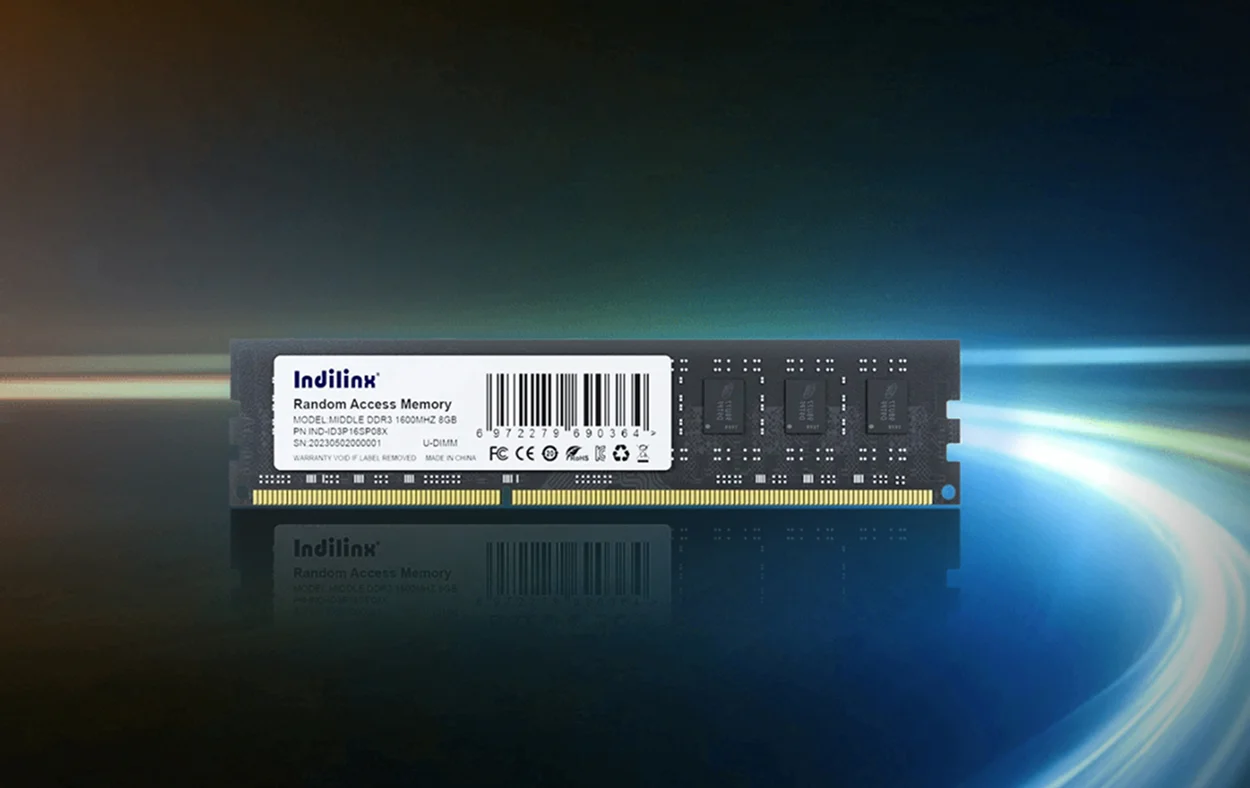
Understanding what affects SSD lifespan allows users to evaluate storage solutions more accurately for personal computers, industrial equipment, embedded systems, servers, and data-intensive applications. Rather than focusing only on endurance ratings such as TBW, users should understand how different technical factors interact throughout daily operation. A balanced combination of hardware architecture, intelligent flash management, and suitable operating conditions ultimately determines how long an SSD can deliver reliable storage performance, similar to how memory architecture influences other storage-related hardware systems such as DDR Memory.
NAND Flash Type Affects SSD Lifespan Through Program/Erase Endurance
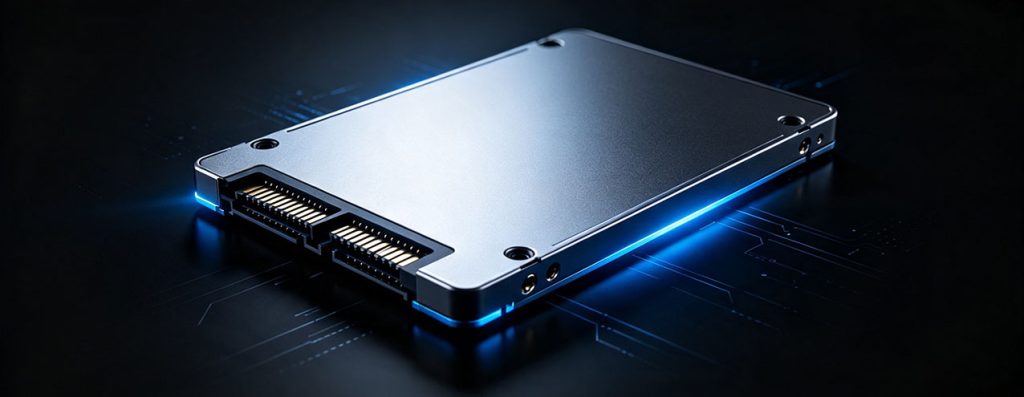
The type of NAND flash memory used inside an SSD is one of the most fundamental factors affecting SSD lifespan because every flash cell can only tolerate a limited number of program and erase (P/E) cycles before its electrical characteristics gradually deteriorate. Different NAND technologies store different numbers of bits within each memory cell, directly influencing endurance. SLC stores one bit per cell and provides the highest endurance, while MLC, TLC, and QLC progressively increase storage density at the expense of lower P/E cycle capability. As more bits are stored within each cell, voltage states become more difficult to distinguish accurately after repeated programming, making advanced error correction and controller management increasingly important.
However, NAND flash type alone does not determine the practical lifespan of an SSD. Modern manufacturers compensate for lower native endurance by combining high-quality NAND with sophisticated controller technologies, stronger error correction algorithms, wear leveling, over-provisioning, and firmware optimization. As a result, many modern TLC SSDs provide excellent durability for mainstream workloads despite having lower theoretical endurance than older MLC products. Therefore, NAND flash technology establishes the physical endurance limit of flash memory, while the overall SSD architecture determines how efficiently that endurance is utilized throughout the product’s operational life.
NAND Cell Architecture Determines the Endurance Limit of SSD Lifespan
NAND flash cell architecture is one of the fundamental factors that determines SSD lifespan because different NAND types have different tolerance levels against repeated program and erase operations. Each NAND flash memory cell stores electrical charges to represent digital information, and every programming cycle slightly changes the physical characteristics of the cell. Over time, repeated voltage changes can reduce the accuracy of charge storage, making error correction more difficult and eventually limiting the usable life of the flash memory.
Single-Level Cell (SLC) NAND provides the highest endurance because each cell stores only one bit of data, requiring fewer voltage states and creating less electrical stress during operation. Multi-Level Cell (MLC), Triple-Level Cell (TLC), and Quad-Level Cell (QLC) increase storage density by storing more bits per cell, but this also requires more precise voltage control. As a result, higher-density NAND technologies generally have lower native endurance compared with lower-density alternatives.
However, NAND endurance should not be evaluated independently from SSD architecture. Modern SSDs combine advanced controllers, error correction technologies, and firmware optimization to improve the practical lifespan of NAND flash. The relationship between NAND type and SSD lifespan is therefore a balance between the physical endurance characteristics of flash cells and the efficiency of the technologies used to manage them.
SSD Controller Design Affects SSD Lifespan Through Flash Management
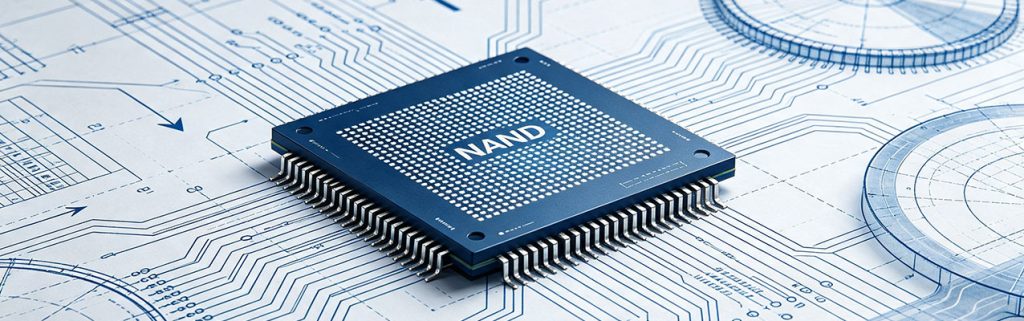
The SSD controller serves as the central management processor that determines how efficiently NAND flash memory is utilized throughout the drive’s lifetime. Every write request received from the host system must be translated into physical flash operations, requiring the controller to coordinate logical address mapping, wear leveling, garbage collection, bad block management, and error correction simultaneously. A well-designed controller distributes write activity evenly across available flash blocks instead of repeatedly writing to the same physical locations, preventing localized wear that would shorten overall SSD lifespan. The controller also monitors flash health continuously and adjusts management strategies as NAND cells gradually age.
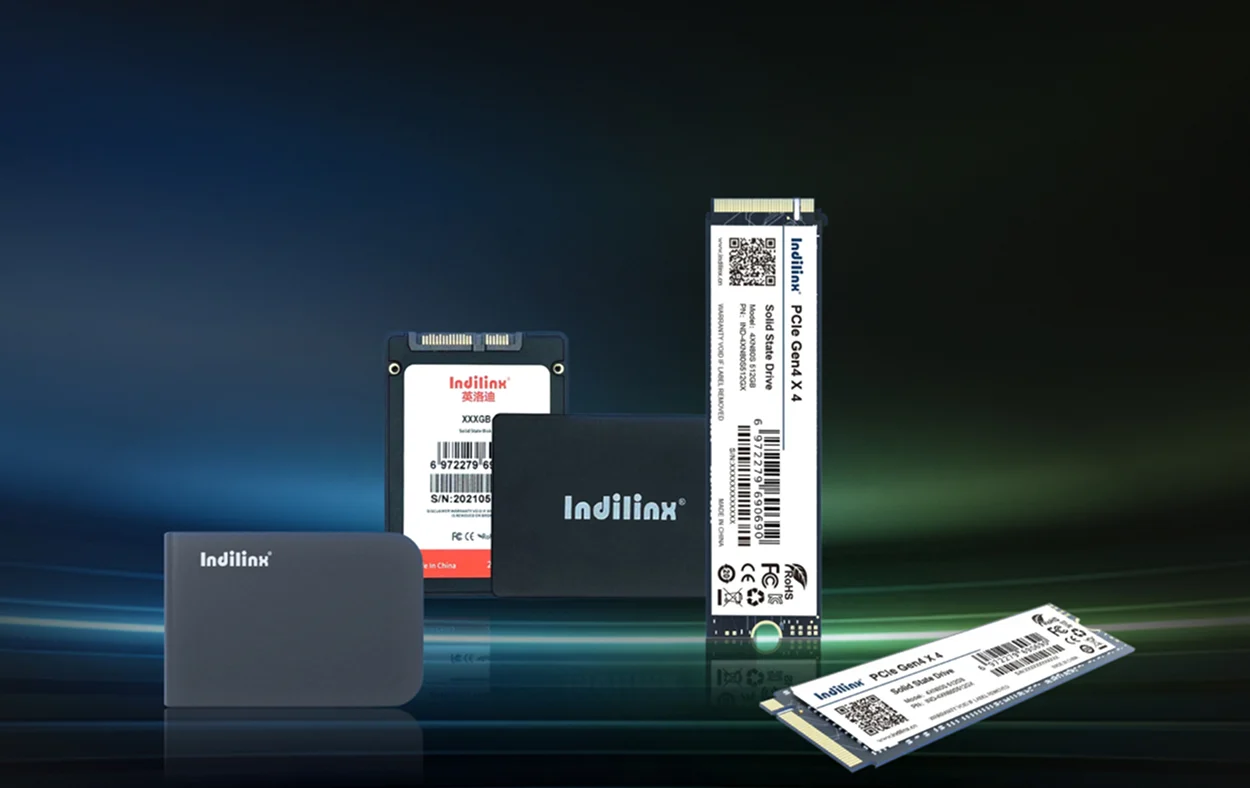
The quality of controller architecture becomes increasingly important as NAND technology evolves toward higher-density TLC and QLC flash. These flash types require more sophisticated management because their lower native endurance leaves less margin for inefficient operation. Advanced controllers optimize write amplification, minimize unnecessary erase cycles, recover data from aging cells through stronger ECC engines, and isolate defective blocks before they affect storage reliability. Consequently, two SSDs using identical NAND flash, including M.2 SATA SSD products, may exhibit significantly different service lives because their controllers manage flash resources with different levels of efficiency. For long-term reliability, controller design is often as important as the flash memory itself.
SSD Controller Improves SSD Lifespan Through Intelligent Flash Management
The SSD controller is the central component responsible for managing communication between the host system and NAND flash memory. Its ability to organize data placement directly affects SSD lifespan because inefficient flash management can cause unnecessary write operations and accelerate NAND wear. A well-designed SSD controller distributes data evenly across available flash blocks, manages defective areas, and coordinates internal maintenance processes to maximize the usable endurance of the storage device.
One of the most important functions of an SSD controller is managing how logical data addresses are translated into physical NAND locations. Because NAND flash cannot overwrite existing data directly, the controller must carefully organize erase and write operations to avoid excessive flash cycling. Through technologies such as wear leveling, garbage collection, and error correction management, the controller reduces unnecessary stress on individual memory cells and improves long-term reliability.
For different applications, controller capability can significantly influence SSD lifespan. Storage devices used in industrial systems, embedded equipment, and continuous recording environments often experience higher workloads than consumer computers, making reliable industrial SSD designs important for long-term operation. In these situations, a powerful SSD controller provides better flash management efficiency and helps maintain stable operation throughout the expected service period.
Wear Leveling Allows SSD Controller to Balance NAND Flash Usage
Wear leveling is one of the key technologies used by an SSD controller to extend SSD lifespan. Because NAND flash cells have limited endurance, repeatedly writing data to the same physical blocks would cause certain areas to wear out faster than others. Wear leveling algorithms solve this problem by distributing write operations across different NAND blocks, ensuring that flash cells experience more balanced usage.
There are different approaches to wear leveling, including dynamic wear leveling and static wear leveling. Dynamic wear leveling focuses on distributing newly written data among available blocks, while static wear leveling can also move rarely changed data to ensure that all NAND areas participate more evenly in the wear process. Through these strategies, the SSD controller prevents premature failure caused by uneven flash degradation.
The effectiveness of wear leveling depends heavily on controller architecture and firmware algorithms. A well-optimized SSD controller can accurately monitor block usage and make efficient allocation decisions, reducing unnecessary NAND wear and extending the overall SSD lifespan.
Error Correction Capability Helps SSD Controller Maintain NAND Reliability
As NAND flash memory ages, the probability of data errors gradually increases because repeated program and erase cycles affect the stability of stored electrical charges. An SSD controller uses error correction technologies to detect and correct these errors before they affect stored data. This capability is essential for maintaining SSD reliability throughout the entire lifespan of the drive.
Modern SSD controllers commonly use advanced error correction mechanisms such as LDPC (Low-Density Parity Check) algorithms to improve data accuracy. These technologies allow SSDs to continue operating reliably even when NAND cells experience increasing error rates over time. Without effective error correction, flash memory would reach its practical lifespan much earlier because minor cell degradation could immediately lead to data reliability problems.
Therefore, SSD controller design is not only related to performance but also directly influences endurance and reliability. By combining error correction, flash management, and monitoring technologies, the controller helps extend the usable life of NAND flash and ensures consistent storage operation.
Write Workloads Affect SSD Lifespan by Increasing NAND Wear
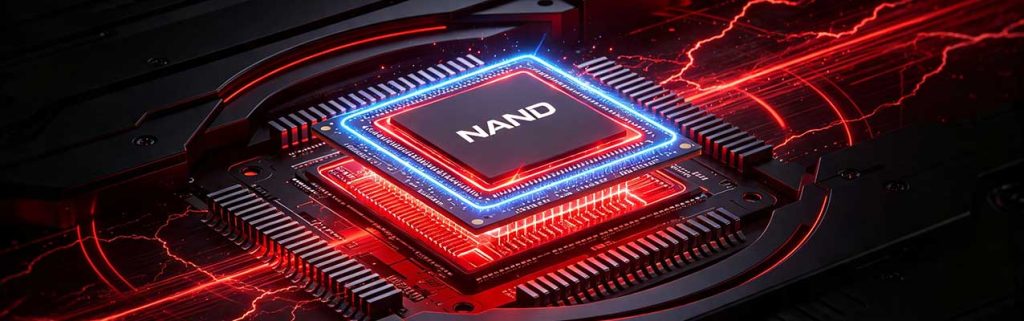
SSD lifespan is heavily influenced by actual write workload patterns because every write operation contributes to flash cell wear. Although read operations have virtually no impact on NAND endurance, writing new data requires flash programming and eventually block erasure, consuming part of the available P/E cycle budget. Continuous write-intensive applications such as surveillance recording, database logging, virtualization, industrial automation, and content creation generate substantially more NAND wear than ordinary office workloads or web browsing. Even when total daily data volume appears moderate, frequent small random writes may trigger additional internal flash management operations that increase total NAND activity.
The relationship between workload and lifespan is not determined solely by the amount of data written but also by how efficiently data is organized internally. Sequential writes usually allow the controller to utilize flash resources more efficiently, while fragmented random writes often increase write amplification because valid data must be relocated during garbage collection before blocks can be erased. Heavy multitasking, continuous cache updates, and repeated small file modifications further increase controller workload. Selecting an SSD with endurance characteristics appropriate for expected workload intensity helps ensure that flash wear remains within the design limits throughout the intended service life.
Intensive Write Activities Accelerate SSD Lifespan Consumption
The workload pattern of an SSD directly affects how quickly NAND flash endurance is consumed. Although reading data does not significantly wear flash cells, writing and erasing operations gradually reduce NAND lifespan. Applications that continuously generate large amounts of written data place greater stress on flash memory because each write operation contributes to the limited program and erase cycle budget of NAND cells.
Different write patterns create different levels of wear. Sequential workloads, such as transferring large files, are generally easier for the SSD controller to manage because data can be written in organized blocks. In contrast, random write workloads involving frequent small data updates often require more internal data movement, increasing the amount of NAND activity required to complete each host request.
Understanding workload characteristics is important when selecting SSD solutions. Storage devices used for operating systems, normal office applications, and light computing typically experience moderate write activity. However, Industrial recording systems, servers, and data-intensive applications often require high-performance storage such as PCIe NVMe SSD products designed for heavier workloads to ensure that NAND wear remains within acceptable limits throughout the product lifecycle.
Operating Temperature Affects SSD Lifespan by Influencing NAND Stability

Operating temperature has a direct influence on SSD lifespan because NAND flash memory and controller components are both sensitive to long-term thermal conditions. Elevated temperatures accelerate charge leakage inside flash cells, increase electrical stress during programming, and may reduce data retention as memory ages. Although modern SSDs are designed to operate safely within specified temperature ranges, continuous exposure to excessive heat can gradually accelerate flash degradation and shorten usable service life. Conversely, extremely low temperatures may affect programming efficiency and increase electrical resistance during certain flash operations, although high-temperature environments generally pose the greater long-term concern.
Temperature also influences how effectively the SSD controller performs background management tasks. Higher operating temperatures increase controller power consumption and may trigger thermal protection mechanisms that adjust internal operating behavior to protect hardware. Industrial systems, embedded devices, and compact computers using storage formats such as mSATA SSD with limited airflow should therefore consider thermal design as part of SSD reliability planning. Proper cooling, stable airflow, and installation environments that remain within manufacturer operating specifications help maintain flash stability over extended periods while allowing controller algorithms to operate under optimal conditions.
Thermal Conditions Influence NAND Retention and SSD Lifespan
Temperature conditions have a significant impact on SSD lifespan because NAND flash relies on maintaining electrical charges inside memory cells. When SSDs operate continuously under excessive heat, charge leakage can accelerate and increase the difficulty of maintaining accurate data states. Over extended periods, high temperatures may contribute to faster NAND degradation and reduce long-term storage reliability.
Temperature also affects the SSD controller because it must manage flash operations, error correction, and background maintenance while operating within safe thermal limits. If temperatures become too high, some SSDs may activate thermal throttling mechanisms to reduce operating stress. While this protects the hardware, frequent exposure to extreme temperatures may still influence long-term endurance.
For industrial and embedded applications, thermal management is especially important because storage devices may operate continuously in enclosed environments. Maintaining suitable airflow, reducing heat accumulation, and selecting SSD products designed for the expected temperature range can help preserve NAND stability and extend SSD lifespan.
Firmware Algorithms Affect SSD Lifespan Through Data Optimization

Firmware algorithms play a critical role in determining SSD lifespan because they control how the controller manages NAND flash throughout everyday operation. While the controller provides the processing hardware, firmware defines the decision-making logic responsible for wear leveling policies, garbage collection timing, TRIM handling, bad block replacement, background optimization, and flash allocation strategies. Efficient firmware minimizes unnecessary write activity, reduces write amplification, and ensures that flash resources are consumed as evenly as possible across the entire storage array. Continuous firmware optimization allows manufacturers to improve endurance even when hardware architecture remains unchanged.
Modern SSD firmware continuously monitors flash usage patterns and dynamically adjusts management behavior according to workload characteristics. During periods of low activity, firmware may reorganize fragmented data, consolidate partially used blocks, and prepare free storage space for future writes. Under heavier workloads, firmware balances background maintenance with foreground performance to avoid excessive latency while still protecting flash endurance. Because firmware directly influences nearly every internal NAND operation, two SSDs equipped with similar controllers and identical NAND flash may still demonstrate different long-term lifespan depending on how effectively their firmware optimizes flash management.
SSD Firmware Optimizes Internal Operations to Reduce Flash Wear
Firmware acts as the management logic that controls how the SSD controller performs internal storage operations. While the controller provides the hardware processing capability, firmware determines how efficiently the SSD handles tasks such as data allocation, garbage collection, wear leveling, and background maintenance. Optimized firmware can reduce unnecessary NAND operations and improve the effective lifespan of the storage device.
Different firmware strategies can produce different SSD lifespan results even when two drives use similar NAND flash and controller hardware. Efficient firmware can predict workload patterns, schedule maintenance operations during appropriate periods, and balance performance requirements with endurance protection. These optimization strategies help reduce unnecessary flash cycling and maintain stable storage operation.
For manufacturers developing SSD solutions for different applications, firmware tuning is an important factor in achieving the desired balance between performance, reliability, and lifespan. Proper firmware design allows the SSD controller to use NAND resources more effectively throughout the product’s operational life.
Garbage Collection Algorithms Affect SSD Lifespan Management Efficiency
Garbage collection is a critical firmware-controlled process that influences SSD lifespan by managing how invalid data blocks are recycled. NAND flash cannot directly overwrite existing data, so the SSD must first move valid information and erase blocks before new data can be written. Efficient garbage collection reduces unnecessary erase cycles and helps minimize additional NAND wear.
Poorly optimized garbage collection can increase write amplification because excessive internal data movement creates additional writes beyond the original host request. Over time, this extra activity consumes more program and erase cycles and reduces SSD endurance. Advanced firmware algorithms improve garbage collection efficiency by determining when and how data should be reorganized.
By controlling garbage collection behavior, SSD firmware helps the controller maintain a healthier balance between performance and endurance. This makes firmware optimization an important factor affecting how effectively an SSD uses its NAND flash resources.
Over-Provisioning Affects SSD Lifespan by Reducing Write Amplification

Over-provisioning refers to reserving a portion of NAND flash capacity exclusively for internal SSD management rather than making it available as user storage. This reserved area provides additional free blocks that the controller can use during garbage collection, wear leveling, and bad block replacement. By maintaining a larger pool of unused flash resources, over-provisioning reduces write amplification because the controller has greater flexibility when relocating valid data before erasing flash blocks. Lower write amplification directly reduces total NAND programming activity, slowing flash wear and extending SSD lifespan.
The importance of over-provisioning becomes more apparent under sustained write workloads or when the SSD approaches full capacity. Without sufficient spare space, garbage collection becomes less efficient because fewer clean blocks are available for temporary data relocation. This forces the controller to perform additional internal writes that consume valuable P/E cycles without increasing user storage. Enterprise SSDs frequently include larger over-provisioned areas than consumer products to improve endurance under continuous heavy workloads. Even consumer users can extend SSD lifespan by maintaining adequate free capacity, allowing controller algorithms to operate more efficiently over time.
Additional Spare NAND Space Helps Extend SSD Lifespan
Over-provisioning provides additional NAND flash capacity that is reserved for internal SSD management rather than user-accessible storage. This extra space gives the SSD controller more available blocks for garbage collection, wear leveling, and bad block replacement. By increasing available spare resources, over-provisioning helps reduce unnecessary data movement and lowers write amplification.
When an SSD becomes nearly full, the controller has fewer free blocks available for internal operations. This can increase the amount of data relocation required during write processes, causing additional NAND wear. Maintaining sufficient spare capacity allows the SSD controller to manage flash operations more efficiently and helps preserve long-term endurance.
For applications with continuous writing requirements, larger over-provisioning areas can provide significant lifespan advantages. This is why many enterprise and industrial SSDs reserve additional capacity to improve endurance under demanding workloads.
Power Stability Affects SSD Lifespan During Long-Term Operation

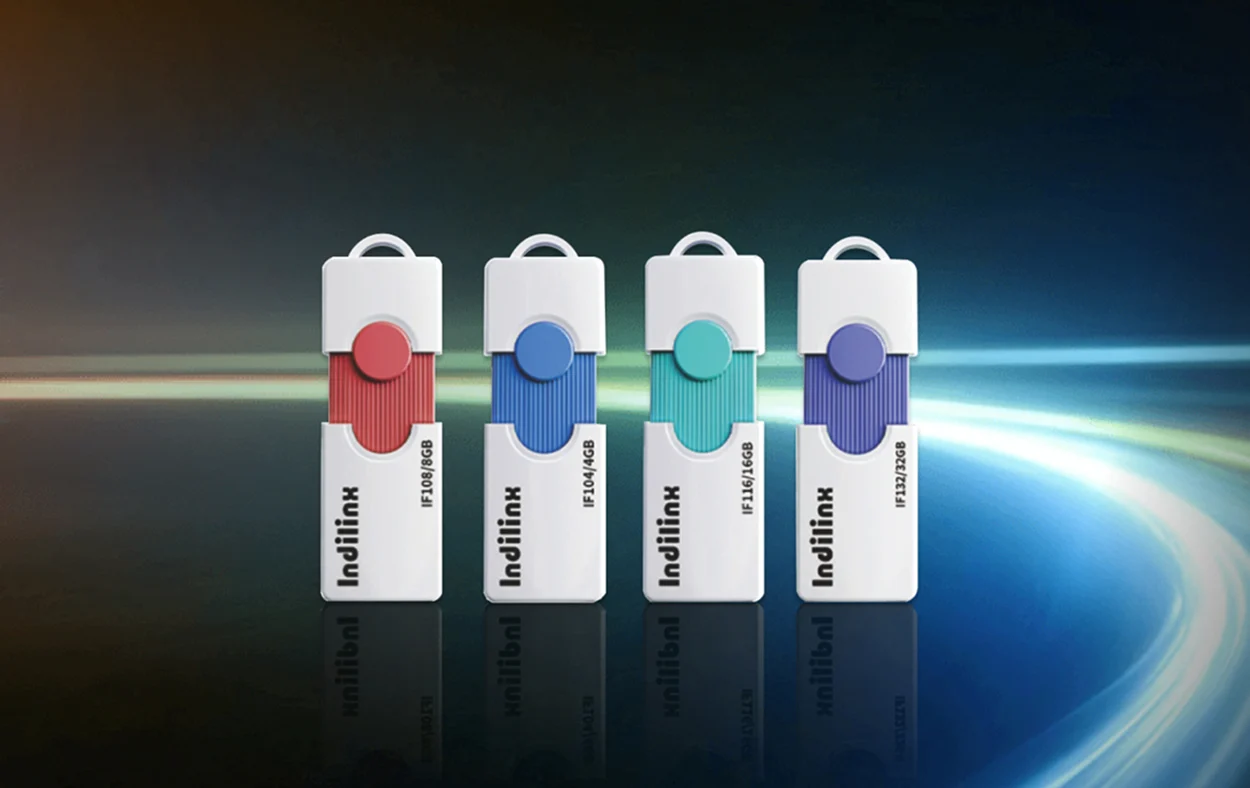
Stable power delivery contributes to storage reliability across devices such as SSDs and USB Flash Drive products by allowing flash programming operations to complete correctly and consistently. During every write process, the controller precisely adjusts electrical voltages inside flash cells to represent stored data. Unexpected power interruptions or unstable voltage conditions may interrupt these operations, forcing the controller to repeat internal programming tasks or recover incomplete metadata after power restoration. Although modern SSDs incorporate protection mechanisms to reduce the risk of data corruption, repeated unstable power conditions can increase controller workload and place additional stress on flash management over long periods.
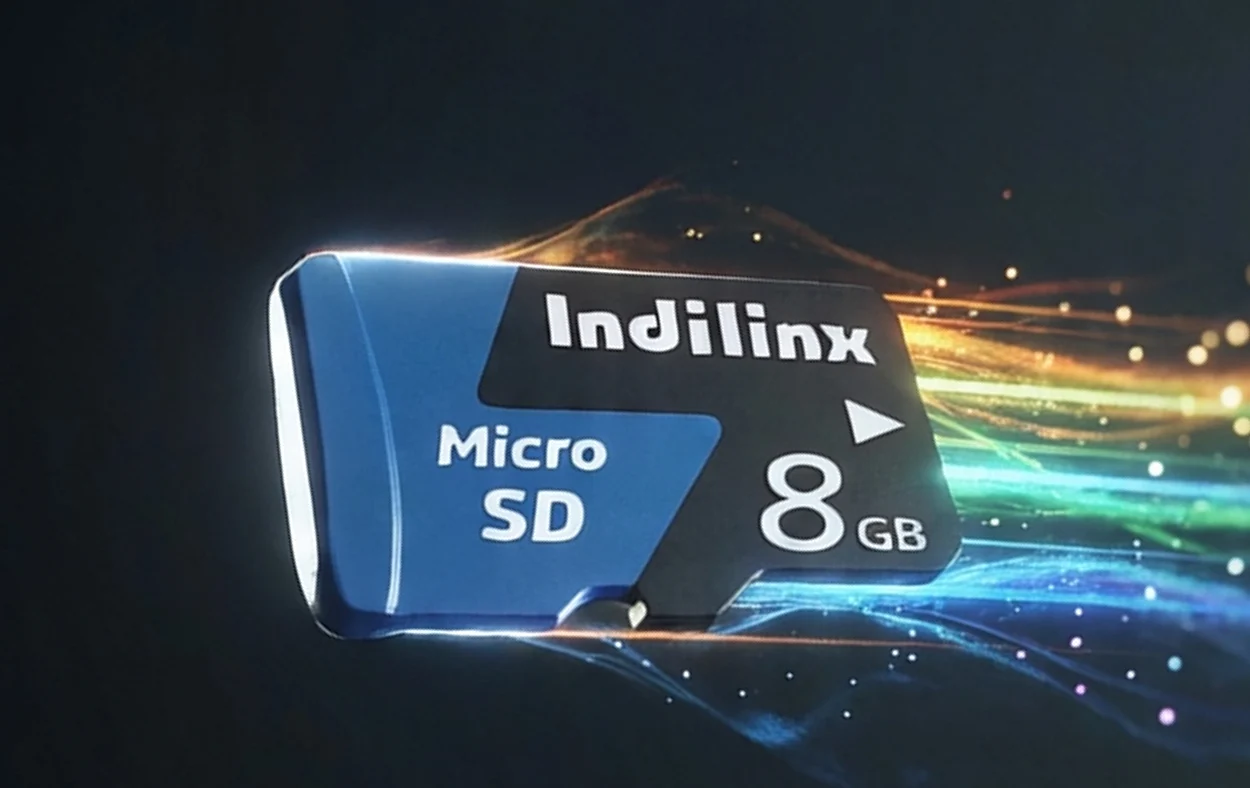
Power stability is particularly important in industrial equipment, embedded systems, servers, and edge computing devices where uninterrupted operation is expected. Reliable power supplies, proper shutdown procedures, and stable electrical environments reduce unnecessary recovery operations while allowing controller algorithms to maintain consistent flash management. Enterprise SSDs may include additional power-loss protection hardware to safeguard in-flight data, but even standard consumer SSDs benefit from stable operating conditions. Maintaining clean power delivery helps preserve NAND integrity, supports firmware optimization, and contributes to consistent long-term storage reliability across flash-based products such as Micro SD storage devices.